Buy ABM Mushroom Liquid Culture Syringe Online
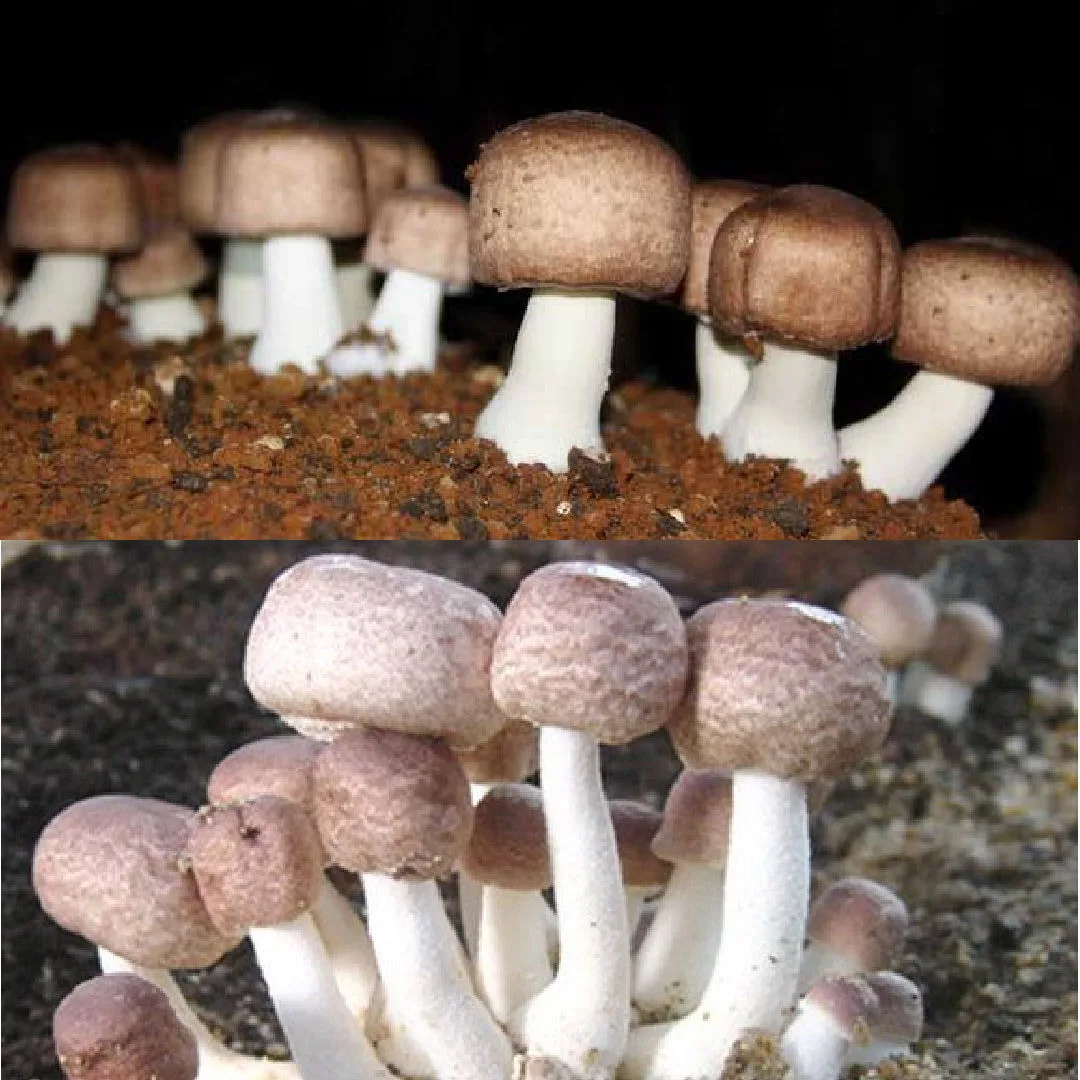
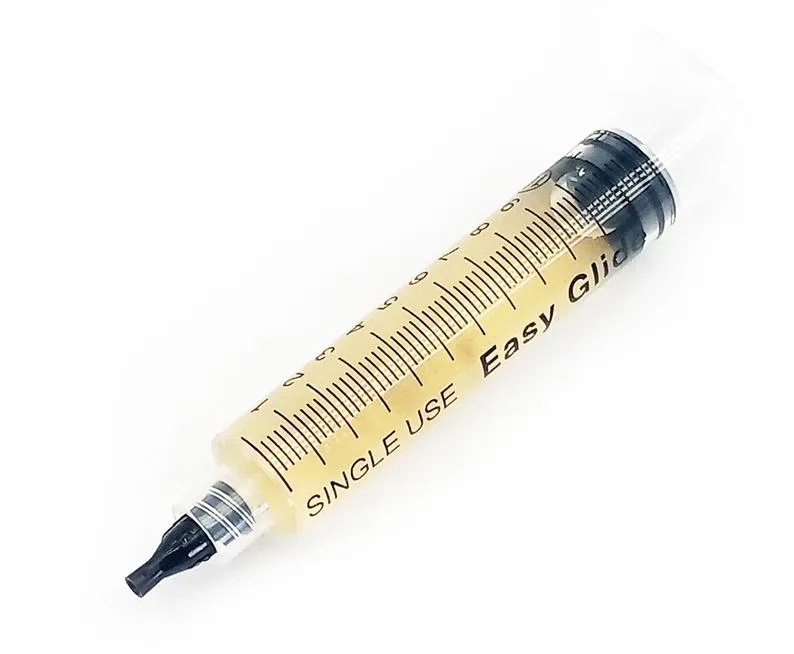
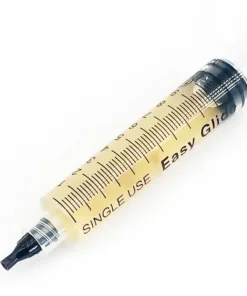
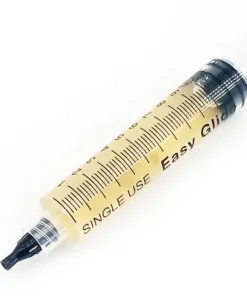
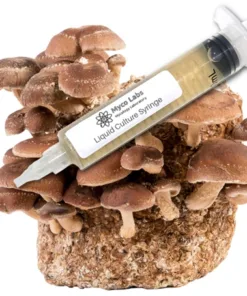
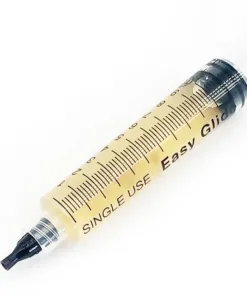
ABM Mushroom Liquid Culture Syringe is a sterile syringe filled with nutrient-rich solution containing actively growing mycelium of the ABM mushroom. ABM stands for Agaricus Blazei Murill, the common name for Agaricus subrufescens, also known as the Almond Mushroom or Royal Sun Agaricus.
Unlike spore syringes, which contain microscopic spores that must germinate before mycelial growth begins, a liquid culture syringe contains live mycelium suspended in a sugar-based solution (often light malt extract or honey water). This allows growers to skip the germination stage and begin colonization immediately.
ABM mushrooms are widely cultivated for:
-
Gourmet culinary use
-
Functional mushroom supplements
-
Research purposes
-
Commercial production
Liquid culture offers a reliable and efficient method for cultivating this popular species.
What Does ABM Stand for in Mushroom Liquid Culture?
This is one of the most frequently searched questions online.
ABM stands for Agaricus Blazei Murill, an older scientific name for the species now classified as Agaricus subrufescens. It is sometimes also called:
-
Almond Mushroom
-
Himematsutake
-
Royal Sun Agaricus
-
Brazilian Mushroom
The mushroom earned the name “Almond Mushroom” due to its sweet almond-like aroma.
What Is ABM Mushroom Liquid Culture Used For?
ABM Mushroom Liquid Culture is primarily used for mushroom cultivation.
Common Uses Include:
1. Grain Spawn Production
Injecting sterilized grains such as rye, wheat, or millet to produce colonized spawn.
2. Commercial Farming
Liquid culture provides consistent genetics and uniform growth for large-scale production.
3. Home Growing
Hobby growers use liquid culture to cultivate ABM indoors or in controlled environments.
4. Functional Mushroom Production
ABM is widely grown for its use in dietary supplements.
Because the syringe contains live mycelium, colonization begins quickly once injected into sterile substrate.
Is ABM Mushroom Liquid Culture Better Than Spores?
This is a common Google search query.
Advantages of Liquid Culture:
-
Faster colonization
-
Predictable genetics
-
Higher success rate
-
Reduced variability
Advantages of Spores:
-
Longer shelf life
-
Useful for breeding
-
Lower cost
For growers focused on reliable yields, liquid culture is often the preferred option.
How Do You Use an ABM Mushroom Liquid Culture Syringe?
Using a liquid culture syringe requires sterile technique.
Step 1: Prepare Sterilized Grain
Sterilize grain jars or bags at 15 PSI for 90–120 minutes.
Step 2: Shake the Syringe
Distribute the mycelium evenly.
Step 3: Flame Sterilize the Needle
Heat until red hot and allow to cool.
Step 4: Inject
Use 1–3 mL per quart jar or 3–5 mL per large grain bag.
Step 5: Incubate
Store at 72–77°F for optimal colonization.
ABM mycelium typically colonizes grain within 10–14 days.
How Long Does ABM Liquid Culture Take to Colonize?
Typical colonization timeline:
-
3–5 days: Visible growth
-
7–10 days: 50% colonized
-
10–14 days: Fully colonized
ABM mycelium appears dense, white, and evenly spread through the grain.
What Temperature Is Best for ABM Mushroom Liquid Culture?
Temperature plays an important role in growth.
Ideal Ranges:
-
Liquid culture growth: 72–77°F
-
Grain colonization: 72–77°F
-
Fruiting stage: 70–75°F
ABM prefers slightly warmer temperatures compared to many other gourmet species.
How Do You Store an ABM Mushroom Liquid Culture Syringe?
Proper storage maintains viability.
Refrigeration:
Store at 35–45°F.
Shelf Life:
-
Best used within 2–3 months
-
Can remain viable up to 6 months if refrigerated properly
Avoid freezing, as freezing can damage live mycelium.
Can ABM Mushroom Liquid Culture Go Bad?
Yes.
Signs of contamination include:
-
Sour smell
-
Cloudy or milky liquid
-
Green, black, or pink discoloration
-
Slimy texture
Healthy liquid culture should appear lightly cloudy with white strands suspended in solution.
What Substrate Is Best for ABM Mushrooms?
ABM belongs to the same genus as button mushrooms and prefers compost-based substrates.
Recommended Substrates:
-
Composted manure
-
Compost enriched with straw
-
Supplemented compost blends
Unlike hardwood-loving species such as Pleurotus eryngii, ABM thrives in nutrient-rich compost environments.
Does ABM Liquid Culture Need to Be Shaken?
Yes.
Before injection:
-
Shake gently to break up mycelial clumps.
After inoculation:
-
Some growers shake grain jars at 20–30% colonization to speed up full coverage.
Proper distribution improves colonization speed.
What Does Healthy ABM Mycelium Look Like?
Healthy ABM mycelium is:
-
Bright white
-
Thick and dense
-
Evenly spread
-
Free of discoloration
Gray, green, or black patches may indicate contamination.
How Long Does ABM Take to Fruit After Colonization?
After spawning to compost substrate:
-
7–14 days: Full substrate colonization
-
10–20 days: Pin formation
-
14–28 days: Harvest-ready mushrooms
Proper casing layer (such as peat moss mix) is often required for fruiting.
Is ABM Mushroom Liquid Culture Legal?
Yes.
ABM mushrooms are gourmet edible mushrooms and legal to cultivate in the United States and most countries.
Always verify local regulations for commercial production.
Is ABM Mushroom Good for Beginners?
ABM can be beginner-friendly but requires understanding of compost substrates.
Advantages:
-
Fast colonization
-
Strong growth
-
High yield potential
-
Popular demand
However, compost preparation adds complexity compared to sawdust-based mushrooms.
How Do You Prevent Contamination When Using ABM Liquid Culture?
Follow sterile technique:
-
Work in still air box or flow hood
-
Flame sterilize needle
-
Use alcohol wipes
-
Ensure proper grain sterilization
Contamination most commonly occurs during inoculation.
Can You Make ABM Liquid Culture at Home?
Yes, experienced growers can prepare it.
Basic method:
-
4% light malt extract solution
-
Sterilize in jar with injection port
-
Inoculate with clean agar wedge
Starting with agar helps confirm culture cleanliness before expanding.
What Are the Benefits of Growing ABM Mushrooms?
ABM mushrooms are valued for:
-
Almond-like aroma
-
Culinary versatility
-
Functional mushroom demand
-
High market value
-
Strong yields under proper conditions
They are commonly used in soups, stir-fries, and supplement powders.
Why Is My ABM Liquid Culture Not Growing?
Common causes include:
-
Old or expired culture
-
Improper storage
-
Temperature outside optimal range
-
Poor sterilization
-
Bacterial contamination
Maintaining consistent temperatures and sterile practices is crucial.
What Is the Difference Between ABM Liquid Culture and Agar?
Liquid Culture:
-
Faster for bulk inoculation
-
Ideal for spawn production
Agar:
-
Best for strain isolation
-
Easier contamination detection
-
More precise genetic work
Many growers isolate clean strains on agar before transferring to liquid culture.
How Much Does ABM Mushroom Liquid Culture Cost?
Typical price range:
-
$15–$35 per 10–12 mL syringe
Premium isolated strains may cost more.
Is ABM Worth Growing at Home?
Many growers say yes.
Benefits include:
-
High nutritional value
-
Growing market demand
-
Strong yields
-
Unique flavor profile
-
Functional mushroom appeal
For growers interested in expanding beyond oyster and lion’s mane mushrooms, ABM offers a rewarding challenge.
Be the first to review “ABM Mushroom Liquid Culture Syringe (10cc)”
Related products
psilocybin mushroom spore syringe
psilocybin mushroom spore syringe
Mushroom Spore Syringe
psilocybin mushroom spore syringe
psilocybin mushroom spore syringe
Mushroom Spore Syringe
Mushroom Spore Syringe

psilocybin mushroom spore syringe
Reviews
There are no reviews yet.