Buy Bioluminescence Panellus stipticus Liquid Culture Syringe Online
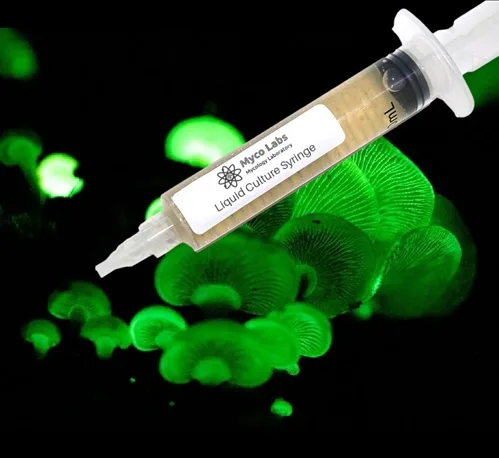
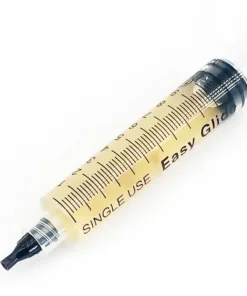
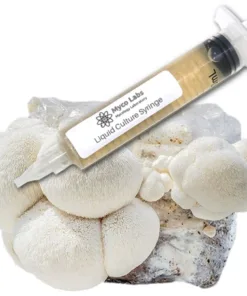
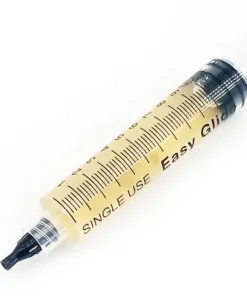
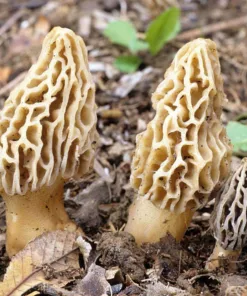
Bioluminescence Panellus stipticus liquid culture syringe is a sterile syringe filled with a nutrient solution that contains live mycelium of the Panellus stipticus fungus—specifically strains that exhibit bioluminescence, meaning they can produce visible light in the dark under certain conditions. This syringe is designed to be used as an inoculant for growing Panellus stipticus mycelium on substrates like agar plates, sterilized sawdust, grain, or liquid media.
Liquid culture (LC) syringes are popular among hobbyist and research mycologists because they allow for faster colonization and reduced contamination risk compared to spores. Instead of waiting for spores to germinate, a liquid culture syringe already contains mycelial fragments actively growing in a nutrient broth, so it can jump-start your project.
In the case of Panellus stipticus, the focus is often on cultivating the luminescent mycelium for novelty observation, research into bioluminescence, or unique display setups.
2. What Is Panellus stipticus and Why Is It Bioluminescent?
Panellus stipticus is a species of fungus commonly called the luminescent panellus or bitter oyster. It is notable because certain geographic strains naturally glow in the dark. The mycelium and sometimes the fruiting bodies emit a faint greenish light due to a biochemical process involving enzymes and luminescent compounds.
Bioluminescence in fungi occurs through the oxidation of a pigment (often described as luciferin) by an enzyme (luciferase or similar functional equivalents). The energy released in the reaction is emitted as visible light. In P. stipticus, research suggests the luminescent compounds (like panal, PS-A, and PS-B) and associated enzymes are responsible for this glow.
Only certain strains of Panellus stipticus—mainly from eastern North America—are reliably bioluminescent. Strains from other regions often lack this trait due to genetic differences.
3. How Does a Panellus stipticus Liquid Culture Syringe Work?
A liquid culture syringe works by delivering colonized mycelium into a new growth environment. The syringe typically contains:
-
Sterile water or nutrient media (e.g., a sugar/protein solution)
-
Mycelial fragments that are actively growing
-
Possibly adaptogenic additives to promote vigor
When you inject this into a sterile culture vessel or substrate (like agar plates or sterilized grains), the mycelium begins colonizing the new medium, expanding its network of hyphae. Because the mycelium is already alive and metabolically active, it colonizes more quickly than spores, which must germinate first.
For Panellus stipticus, the glowing trait is linked to its biological pathways. Under optimal growth conditions, the mycelium may show visible luminescence, especially when grown on solid media or suitable substrates.
4. What Are the Advantages of Using a Liquid Culture Syringe Over Spores?
Using a Panellus stipticus liquid culture syringe provides several key benefits:
-
Faster colonization: Live mycelium doesn’t need to germinate from spores. It can begin spreading on your chosen medium immediately after inoculation.
-
Lower contamination risk: Because mycelium outcompetes many contaminants, your chances of success are generally higher.
-
Predictable traits: The syringe contains a known strain, so you can be confident you’re working with a potentially luminescent fungus.
-
Multiple uses: You can inoculate multiple plates, jars, or batches of grain from a single syringe.
These advantages make liquid culture syringes especially appealing for hobbyists who want a more straightforward inoculation experience.
5. Is Panellus stipticus Bioluminescent in All Conditions?
Bioluminescence in Panellus stipticus is condition-dependent. The fungus does not glow strongly in every environment:
-
Most mycelia glow more brightly on solid substrates (e.g., agar or wood) than in submerged liquid culture. Some studies report low or barely detectable luminescence when mycelium is grown in liquid broth without agitation.
-
Luminescence can vary with culture medium composition, temperature, pH, and other growth factors.
-
The glow is typically much stronger at certain stages of growth, especially as the mycelium matures or approaches fruiting in natural conditions.
So while the syringe may contain bioluminescent mycelium, observing that glow often requires optimizing your culture conditions.
6. How Do You Use a Panellus stipticus Liquid Culture Syringe?
Using a liquid culture syringe typically involves the following general steps (this section is procedural and assumes a sterile environment and proper sterilization of tools):
Step 1: Prepare Your Work Area
Ensure you’re working in a clean, sanitized space. Use:
-
A laminar flow hood or glove box if available
-
70% isopropyl alcohol to clean surfaces
-
Sterile tools and containers (e.g., Petri dishes, jars, flasks)
Step 2: Choose Your Substrate
Common choices include:
-
Agar plates: Great for transferring to new cultures or creating slants
-
Sterilized grain/sawdust: Useful for bulk colonization
-
Liquid media: For expanding the culture
Step 3: Inject the Syringe
Inject a measured volume of the liquid culture into your chosen substrate. For agar plates, a few drops in the center are usually sufficient.
Step 4: Incubate
Place your inoculated media in a warm, dark incubator or controlled environment. Ideal temperature ranges for many fungi are between 20–25°C (68–77°F), but specifics can vary. For Panellus stipticus, research suggests certain nutrient media and temperature settings affect growth and potential luminescence.
Step 5: Monitor Growth
Over days to weeks, you’ll see mycelium spreading. Once fully colonized, you can transfer to larger substrates or attempt fruiting (if desired).
Remember: Always maintain sterile practices to avoid contamination.
7. What Substrates Are Best for Growing Panellus stipticus Mycelium?
The substrate you choose can significantly influence how well Panellus stipticus mycelium grows and whether you see visible luminescence.
Common substrates include:
-
Agar plates: Perfect for initial growth and transfer
-
Grain (rye, wheat, millet): Useful for bulk expansion before transferring to wood or sawdust
-
Sterilized sawdust with hardwood pellets: Because P. stipticus naturally grows on wood, sawdust can mimic its ecological niche and promote vigorous growth
Hobbyists report success with hardwood mixtures because they simulate the fungus’s natural environment (dead oak, beech, or similar wood).
Optimizing pH, moisture, and nutrient content can further improve growth.
8. Why Might My Panellus stipticus Culture Not Glow?
If your Panellus stipticus culture doesn’t glow, several factors might be at play:
-
The strain isn’t bioluminescent: Not all P. stipticus strains glow; luminescent traits are geographically variable.
-
Conditions aren’t right: Luminescence may be weak or absent in submerged culture or if nutrient and pH conditions aren’t supportive.
-
Low oxygen: Bioluminescent reactions often rely on oxygen; anaerobic conditions can suppress light emission.
-
Young or unhealthy culture: The fungus may need to mature on solid substrate before visible glow is evident.
Understanding these variables can help troubleshoot and optimize for light production.
9. How Long Does It Take for Liquid Culture to Colonize?
Colonization times vary widely depending on strain, media, temperature, and sterility. Typical timelines might look like:
-
Agar plates: Colonization visible within 1–2 weeks
-
Grain or sawdust: Full colonization in 2–6 weeks, sometimes longer
-
Liquid media expansions: Visible growth within a few days, reaching dense cultures in 1–2 weeks (if conditions are favorable)
Because Panellus stipticus sometimes grows more slowly than more common culinary mushrooms, patience is key.
10. Can I Use a Liquid Culture Syringe to Fruit Panellus stipticus?
Yes—but with caveats. A liquid culture syringe helps establish a pure mycelial network, but fruiting bioluminescent mushrooms requires additional steps:
-
Transfer colonized grain/sawdust to a fruiting substrate (e.g., hardwood blocks or logs)
-
Provide appropriate humidity and air exchange
-
Adjust light and temperature cycles for fruiting
Fruiting Panellus stipticus can be more challenging than simply showing glowing mycelium, and it may not always be practical for beginners.
11. What Safety Considerations Are There With Panellus stipticus?
Panellus stipticus is considered non-poisonous but not recommended as edible due to its bitter taste and potential digestive discomfort. It’s generally safe to handle with normal cleanliness precautions.
Key safety tips:
-
Work with sterile techniques to prevent contamination
-
Avoid consuming any part of the fungus
-
Keep cultures away from pets and children
-
Dispose of contaminated substrates responsibly
12. How Can I Maximize Bioluminescence in My Culture?
Maximizing glow depends on several factors:
-
Use a bioluminescent strain: Confirm your culture is from a proven luminescent lineage.
-
Optimize nutrient media: Some studies show media composition impacts luminescence intensity.
-
Solid substrates: Glowing tends to be stronger on solid media than in submerged liquid culture.
-
Environment: Oxygen availability, pH, and temperature can influence the biochemical pathways that generate light.
Trial and error with conditions like moisture, temperature, and light exposure can help find what works best for you.
13. Are There Legal Restrictions on Growing Panellus stipticus?
In most jurisdictions, Panellus stipticus cultures are legally permitted, as it is not a controlled species. However, always check your local laws regarding fungal culture and inoculation, especially if you are in an area with strict biotechnology regulations.
14. What Are Typical Uses of Panellus stipticus Liquid Cultures?
People cultivate Panellus stipticus for various reasons:
-
Scientific research into bioluminescence mechanisms and genetics
-
Educational projects demonstrating light production in fungi
-
Artistic installations where glowing mycelium is used for visual effect
-
Hobby cultivation for novelty and exploration
Because this mushroom isn’t cultivated for food, its value is primarily experiential and investigative.
15. Can I Share My Liquid Culture With Others?
Yes, provided it’s done responsibly and legally. Sharing cultures is common in mycology communities, but always ensure:
-
You are not violating any laws
-
Cultures are free of contamination
-
Recipients understand safe and sterile handling
Sharing can help build community experiments and discoveries.
16. Where Can I Buy a Panellus stipticus Liquid Culture Syringe?
Liquid culture syringes for Panellus stipticus may be sold by specialty mycology suppliers or hobby culture sellers. Listings may appear on mycology trading forums or dedicated culture banks. Because availability fluctuates, be prepared to look at multiple sources.
Be the first to review “Bioluminescence Panellus Stipticus Liquid Culture Syringe (10cc)”
Related products
psilocybin mushroom spore syringe
Cordyceps Militaris Mushroom Liquid Culture Syringe HIGHMILE22A Strain (10cc)
psilocybin mushroom spore syringe
psilocybin mushroom spore syringe
psilocybin mushroom spore syringe
psilocybin mushroom spore syringe
psilocybin mushroom spore syringe
psilocybin mushroom spore syringe
psilocybin mushroom spore syringe
Reviews
There are no reviews yet.