



Buy Pioppino Black Poplar Liquid Culture Syringe Online
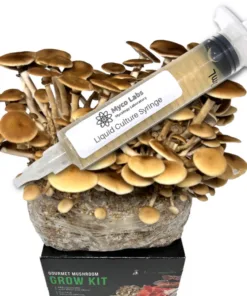
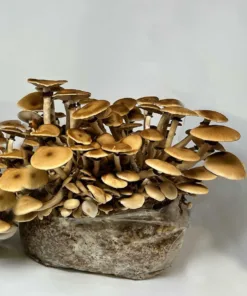
Pioppino mushrooms are a gourmet favorite prized for their nutty flavor, firm texture, and elegant appearance. If you’re researching a Pioppino Black Poplar Liquid Culture Syringe, you’re likely looking for a reliable way to cultivate this delicious species at home or commercially.
Known scientifically as Cyclocybe aegerita (formerly classified as Agrocybe aegerita), Pioppino is commonly called the Black Poplar mushroom because it naturally grows on poplar trees in the wild.
What Is a Pioppino Black Poplar Liquid Culture Syringe?
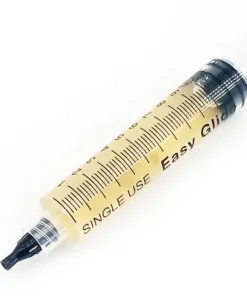
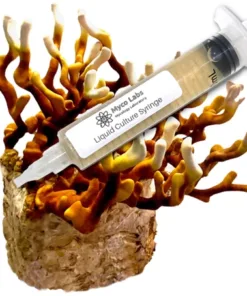
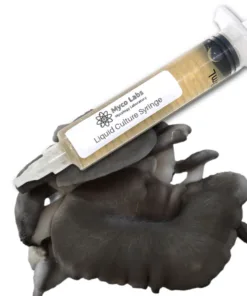
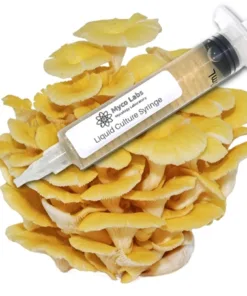
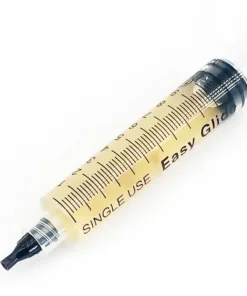
A liquid culture syringe contains living, actively growing mushroom mycelium suspended in a sterile nutrient solution.
Instead of starting from spores, which must germinate first, liquid culture provides:
-
Established mycelium
-
Faster colonization
-
Greater consistency
-
Reduced contamination window
The liquid typically consists of sterilized water and a small sugar source like malt extract to sustain the mycelium in suspension.
What Is Pioppino Mushroom?
Cyclocybe aegerita is a wood-loving gourmet mushroom native to Europe and parts of Asia.
Common names include:
-
Pioppino
-
Black Poplar Mushroom
-
Velvet Pioppini
It is known for:
-
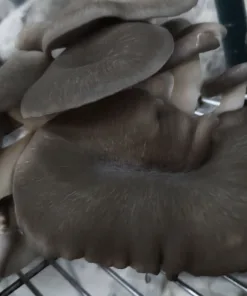
Dark brown caps
-
Cream-colored stems
-
Velvety texture
-
Rich, nutty, slightly earthy flavor
Pioppino is widely used in Italian and Mediterranean cuisine.
Why Is It Called Black Poplar Mushroom?
The name comes from its natural habitat.
In the wild, Cyclocybe aegerita commonly grows on black poplar trees.
“Pioppino” derives from the Italian word “pioppo,” meaning poplar.
Why Choose a Liquid Culture Syringe Instead of Spores?
This is one of the most common beginner questions.
Advantages of Liquid Culture:
-
Faster colonization
-
More predictable performance
-
Less genetic variability
-
Shorter contamination window
Spores require germination and may produce inconsistent traits. Liquid culture typically originates from a cloned fruiting body, maintaining stable characteristics.
How Do You Use a Pioppino Liquid Culture Syringe?
Basic steps:
-
Shake syringe gently to distribute mycelium.
-
Sanitize work surface.
-
Flame sterilize needle until red hot.
-
Allow needle to cool briefly.
-
Inject 1–3 mL into sterile grain jar or grow bag.
-
Incubate until fully colonized.
Sterile technique is essential for success.
How Much Liquid Culture Should I Inject?
General recommendations:
-
1–2 mL per quart grain jar
-
3–5 mL per 3–5 lb spawn bag
Avoid over-injecting to prevent excess moisture buildup.
What Is the Best Substrate for Pioppino Mushrooms?
Pioppino prefers hardwood-based substrates.
Best options:
-
Hardwood sawdust
-
Supplemented sawdust blocks
-
Oak-based mixes
-
Poplar sawdust
-
Master’s Mix (hardwood + soy hulls)
It performs best on lignin-rich hardwood materials.
Can Pioppino Grow on Straw?
Yes, but hardwood substrates produce better yields and denser fruit bodies.
Straw can work for small-scale grows, though results may be lighter compared to hardwood blocks.
How Long Does Pioppino Mycelium Take to Colonize?
Typical timeline:
-
Grain colonization: 10–14 days
-
Bulk substrate colonization: 14–21 days
-
Fruiting after full colonization: 7–14 days
Total time from inoculation to harvest: approximately 4–6 weeks.
What Temperature Is Best for Pioppino Mushrooms?
Pioppino prefers moderate temperatures.
Ideal Ranges:
-
Colonization: 65–75°F (18–24°C)
-
Fruiting: 55–70°F (13–21°C)
Cooler fruiting conditions improve cap development and firmness.
Do Pioppino Mushrooms Need Light?
Light is not required during colonization.
For fruiting:
-
Indirect light is recommended
-
12-hour light cycle works well
-
Natural daylight is often sufficient
Light helps orient growth and enhance cap development.
How Should I Store a Pioppino Liquid Culture Syringe?
Proper storage is critical.
Best practices:
-
Refrigerate at 35–45°F
-
Avoid freezing
-
Store upright
-
Minimize temperature fluctuations
Stored properly, syringes can remain viable 6–12 months.
How Long Does Liquid Culture Last?
Under refrigeration:
-
Peak performance: within 6 months
-
Often viable up to 12 months
Older cultures may colonize more slowly.
How Can I Tell If My Liquid Culture Is Contaminated?
Healthy culture:
-
Clear liquid
-
White stringy mycelium
-
No unpleasant odor
Contamination signs:
-
Milky cloudiness
-
Sour smell
-
Green, black, or pink coloration
Testing on agar plates is recommended if unsure.
Why Is My Pioppino Liquid Culture Cloudy?
Some cloudiness is normal from mycelial growth.
However, heavy opacity combined with foul odor often indicates bacterial contamination.
What Humidity Do Pioppino Mushrooms Need?
For fruiting:
-
85–95% relative humidity
Low humidity can cause:
-
Cracked caps
-
Short stems
-
Smaller clusters
Proper moisture management is key.
How Much Fresh Air Exchange Is Required?
Pioppino requires moderate fresh air exchange.
Insufficient airflow causes:
-
Long stems
-
Small caps
-
Deformed growth
Increasing airflow during fruiting improves structure.
How Many Flushes Can I Get?
Typically:
-
2–3 flushes per block
-
First flush strongest
-
Subsequent flushes smaller
Rest period between flushes: 7–14 days.
What Yield Can I Expect?
Average biological efficiency:
-
75–100% of dry substrate weight
A 5 lb supplemented sawdust block can yield 3–5 lbs fresh mushrooms across multiple flushes.
What Does Pioppino Taste Like?
Flavor profile:
-
Nutty
-
Slightly earthy
-
Mild sweetness
-
Firm texture
It holds texture well during cooking, making it ideal for stir-fries, pasta, and risotto.
Can I Grow Pioppino Indoors Without Special Equipment?
Yes.
Basic setup:
-
Filter patch grow bags
-
Spray bottle
-
Humid room or tent
-
Indirect light
Advanced growers use controlled fruiting chambers for consistent yields.
Can I Expand My Liquid Culture?
Yes — experienced growers expand liquid culture into larger volumes.
Basic expansion method:
-
Prepare sterile liquid media.
-
Inject 1 mL from original syringe.
-
Incubate 7–10 days.
-
Maintain sterile technique.
Expansion allows large-scale spawn production.
Why Are My Pioppino Caps Small?
Common causes:
-
Low humidity
-
Poor airflow
-
Overcrowding
-
Early harvest
Increasing fresh air exchange often improves cap size.
Why Are My Pioppino Mushrooms Long and Skinny?
Likely due to insufficient oxygen.
Improving airflow during fruiting usually corrects this issue.
Can Pioppino Grow on Logs?
Yes.
Pioppino grows well on hardwood logs such as:
-
Oak
-
Poplar
-
Maple
Log cultivation takes longer but can provide seasonal harvests for years.
Is Pioppino Good for Commercial Growing?
Yes — it is popular in gourmet markets because:
-
It has strong culinary appeal
-
It stores well
-
It transports better than delicate oyster mushrooms
Many small farms cultivate Pioppino for restaurants and farmers markets.
Are Pioppino Mushrooms Healthy?
They contain:
-
Protein
-
Fiber
-
B vitamins
-
Antioxidants
-
Minerals
They are widely consumed as nutritious gourmet mushrooms.
What Makes Pioppino Different from Oyster Mushrooms?
Key differences:
-
Firmer texture
-
Darker caps
-
Slower growth rate
-
More structured cluster formation
Pioppino offers a more robust culinary experience compared to many oyster varieties.
Can I Sell Pioppino Mushrooms?
In many regions, yes.
Check local regulations regarding:
-
Farmers markets
-
Cottage food laws
-
Food safety standards
Always follow local agricultural guidelines.
Be the first to review “Pioppino Black Poplar Liquid Culture Syringe (10cc)”
Related products
Mushroom Spore Syringe
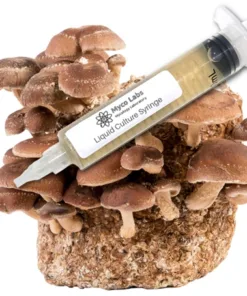
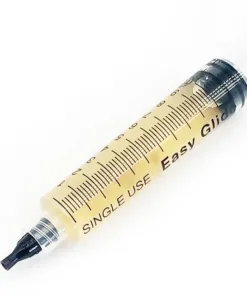
Mushroom Spore Syringe
psilocybin mushroom spore syringe
psilocybin mushroom spore syringe
psilocybin mushroom spore syringe
psilocybin mushroom spore syringe
psilocybin mushroom spore syringe
psilocybin mushroom spore syringe
Reviews
There are no reviews yet.