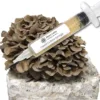
Buy Pearl Oyster Liquid Culture Syringe Online
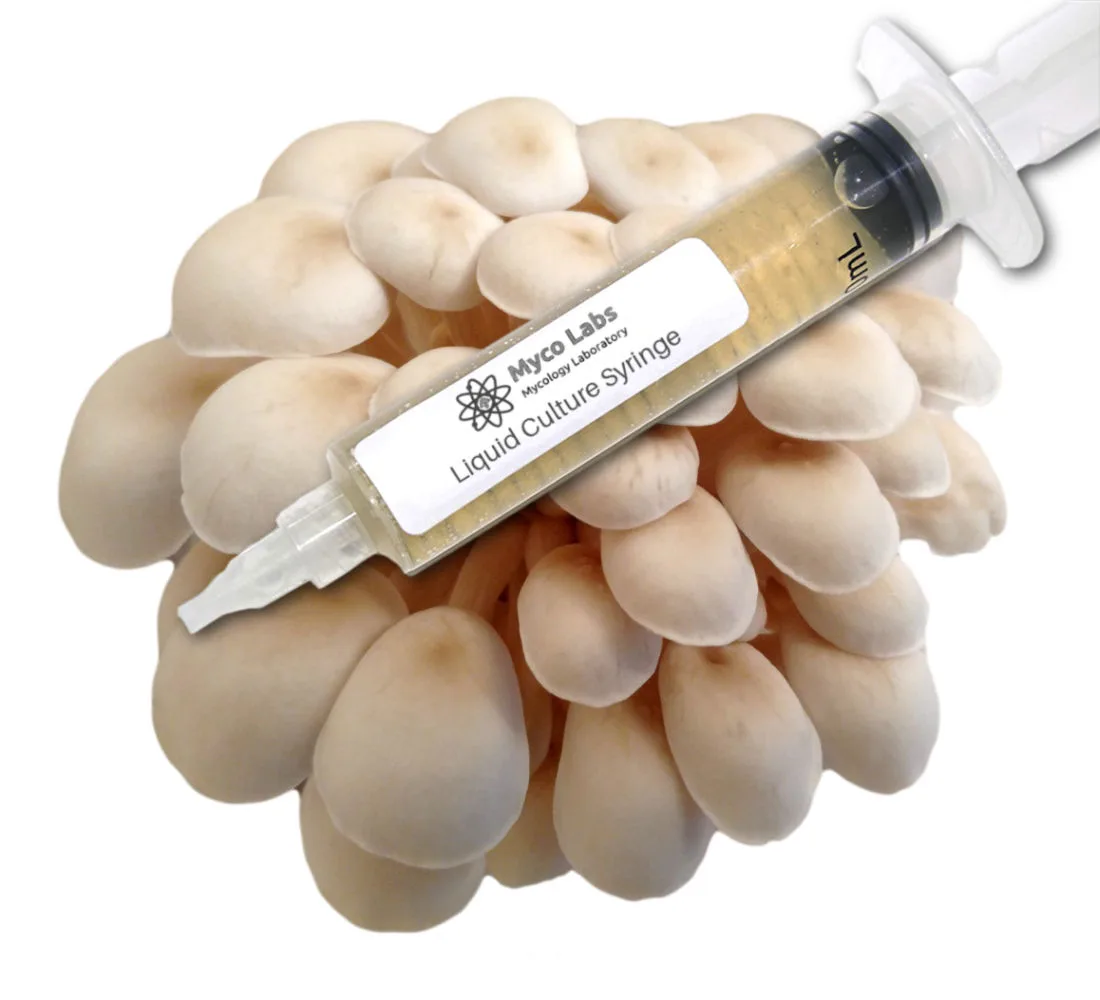
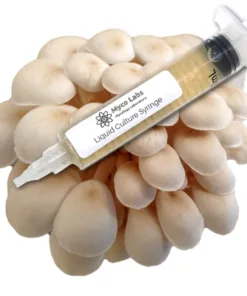
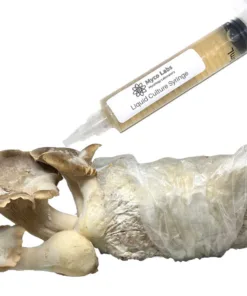
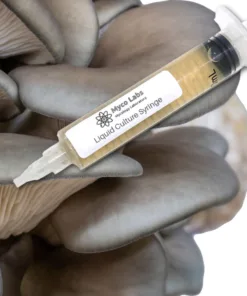
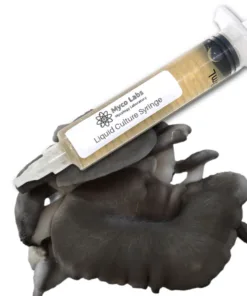
Pearl Oyster liquid culture syringe contains live, actively growing mycelium suspended in a sterile nutrient solution. Instead of spores, which must germinate and establish, liquid culture provides established mycelium ready to colonize substrate immediately.
Each syringe typically includes:
-
Sterile syringe body
-
Needle attachment
-
Nutrient broth (water + light sugars)
-
White mycelial strands or clouds
Because the genetics are already established, liquid culture significantly reduces colonization time compared to spore syringes.
What Is Pearl Oyster Mushroom?
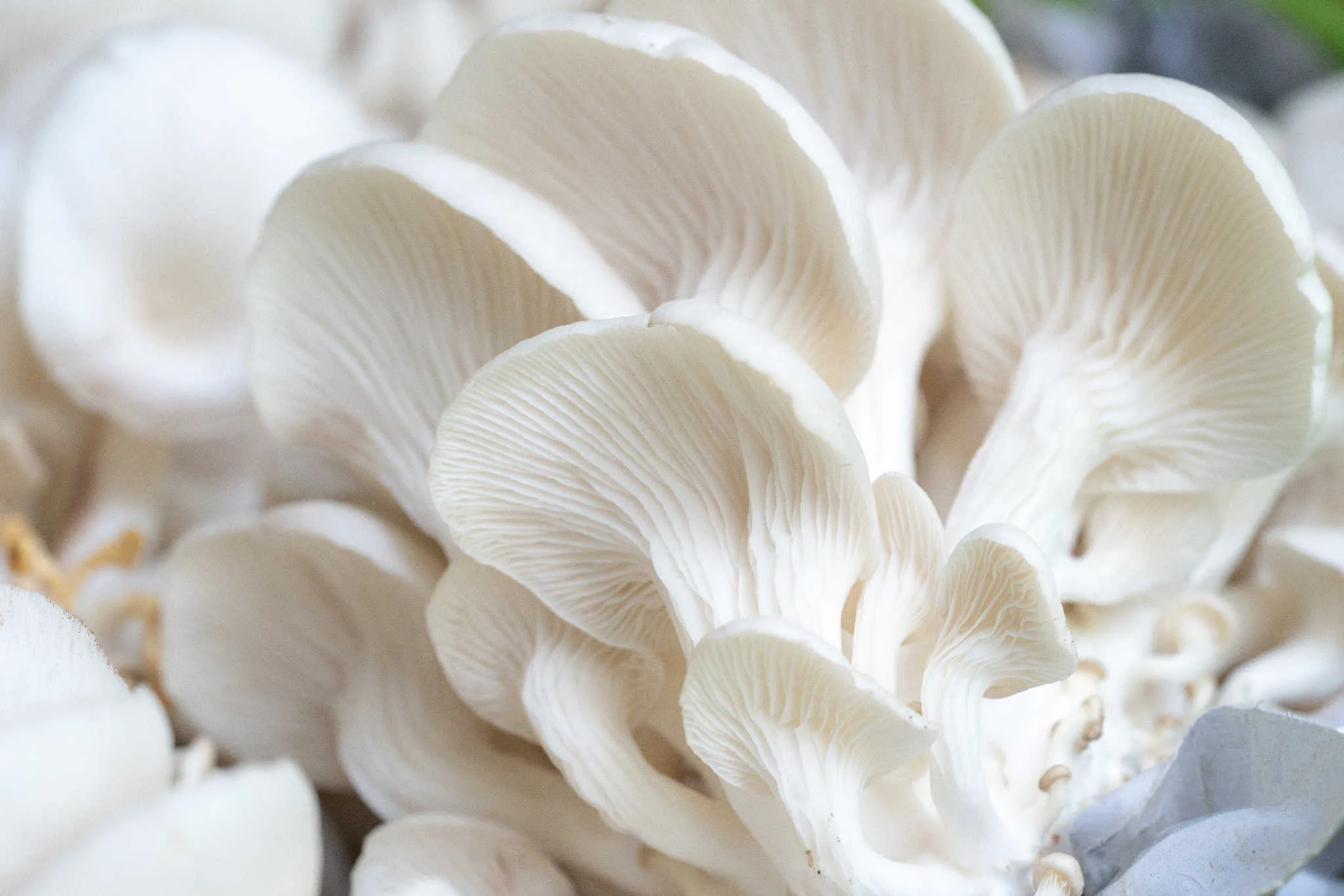
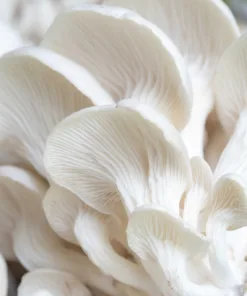
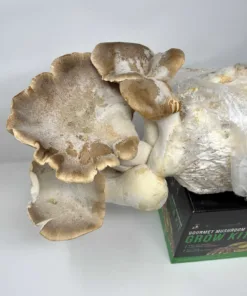
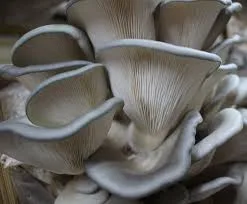
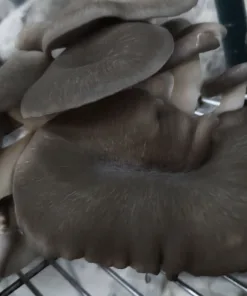
Pleurotus ostreatus is a fast-growing saprotrophic mushroom that naturally grows on hardwood trees. It forms shelf-like clusters with smooth gray to cream-colored caps and white gills.
It is prized for:
-
Mild, savory flavor
-
Tender yet meaty texture
-
Rapid growth cycle
-
Adaptability to many substrates
It is one of the most widely cultivated mushrooms worldwide.
Why Choose Liquid Culture Instead of Spores?
This is one of the most commonly searched questions.
Advantages of Liquid Culture:
-
Faster colonization
-
Stable genetics
-
Higher success rate
-
Reduced contamination window
-
More predictable yields
Spores introduce genetic variation. Liquid culture provides cloned, stable performance.
How Do You Use a Pearl Oyster Liquid Culture Syringe?
Basic steps:
-
Shake syringe gently to distribute mycelium.
-
Sterilize needle with flame until red hot.
-
Let needle cool briefly.
-
Inject 1–3 mL into sterile grain jar or grow bag.
-
Incubate until fully colonized.
Sterile technique is essential to prevent contamination.
How Much Liquid Culture Should I Inject?
Recommended amounts:
-
1–2 mL per quart jar
-
3–5 mL per 3–5 lb grain bag
Using too much can create excess moisture and increase contamination risk.
How Long Does Pearl Oyster Take to Colonize?
Pearl oyster is known for aggressive growth.
Typical timeline:
-
Grain colonization: 7–14 days
-
Bulk substrate colonization: 10–14 days
-
Fruiting after full colonization: 5–10 days
Total time from inoculation to harvest: 3–5 weeks.
What Is the Best Substrate for Pearl Oyster?
Pearl oysters are highly versatile.
Best substrates include:
-
Hardwood sawdust
-
Straw
-
Coffee grounds
-
Cardboard
-
Master’s Mix (hardwood + soy hulls)
They are excellent for beginners because they tolerate multiple substrate types.
Can Pearl Oyster Grow on Straw?
Yes.
Straw is one of the most popular substrates because:
-
It’s inexpensive
-
It colonizes quickly
-
It supports strong flushes
Pasteurized straw works well for home growers.
What Temperature Is Best for Pearl Oyster?
Ideal temperature ranges:
-
Colonization: 65–75°F (18–24°C)
-
Fruiting: 55–70°F (13–21°C)
Pearl oyster is more cold-tolerant than some other oyster varieties.
Do Pearl Oyster Mushrooms Need Light?
During colonization, no light is required.
For fruiting:
-
Indirect light is helpful
-
12-hour light cycle works well
-
Natural room light is sufficient
Light helps direct mushroom formation and shape.
How Much Humidity Do Pearl Oysters Need?
Ideal humidity:
-
80–95% relative humidity
Low humidity can cause:
-
Cracked caps
-
Small fruits
-
Reduced yields
Maintaining consistent moisture is key to large flushes.
How Much Fresh Air Exchange Is Needed?
Pearl oysters require moderate to high fresh air exchange.
Low airflow causes:
-
Long stems
-
Small caps
-
Deformed clusters
Good ventilation promotes wide, attractive caps.
How Many Flushes Can You Get?
Typically:
-
2–3 flushes per substrate block
-
First flush is strongest
-
7–14 days between flushes
Some growers achieve 4 flushes under optimal conditions.
What Yield Can I Expect?
Pearl oysters are high yielding.
Average biological efficiency:
-
75–100% of dry substrate weight
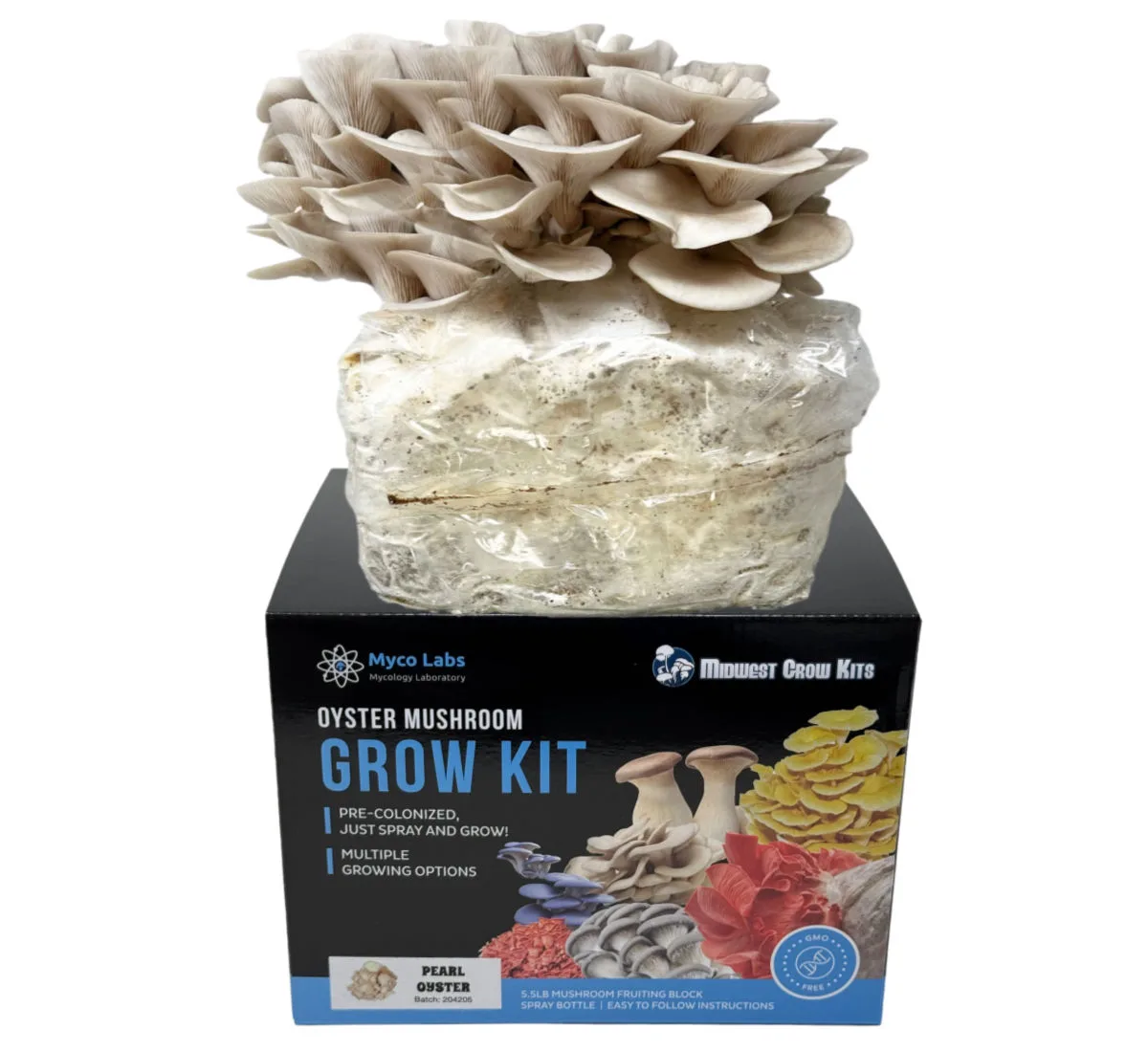
A 5 lb supplemented block can produce 3–5 lbs of fresh mushrooms across flushes.
How Should I Store a Pearl Oyster Liquid Culture Syringe?
Proper storage extends viability.
Best practices:
-
Refrigerate at 35–45°F
-
Do not freeze
-
Store upright
-
Avoid temperature fluctuations
Under refrigeration, liquid culture can last 6–12 months.
How Can I Tell If My Liquid Culture Is Contaminated?
Healthy liquid culture:
-
Clear liquid
-
White floating mycelium
-
No sour smell
Contamination signs:
-
Milky cloudiness
-
Colored growth
-
Foul odor
When in doubt, test on agar before use.
Can I Expand Pearl Oyster Liquid Culture?
Yes.
To expand:
-
Prepare sterile liquid media.
-
Inject 1 mL from original syringe.
-
Incubate 5–10 days.
-
Maintain sterile conditions.
This allows you to produce larger quantities for spawn production.
Why Is My Pearl Oyster Growing Thin Stems?
Thin stems and tiny caps often indicate:
-
Insufficient fresh air
-
High CO₂ levels
Increase airflow for wider caps and balanced growth.
Why Are My Oyster Mushrooms Small?
Common causes:
-
Low humidity
-
Poor nutrition
-
Overcrowded substrate
-
Weak genetics
Adjust environmental factors and ensure healthy substrate supplementation.
Is Pearl Oyster Good for Beginners?
Absolutely.
Reasons:
-
Fast colonization
-
Tolerates minor mistakes
-
Grows on many substrates
-
Produces quick results
It is often recommended as a first gourmet mushroom.
What Does Pearl Oyster Taste Like?
Flavor profile:
-
Mild
-
Slightly sweet
-
Savory and umami-rich
-
Tender texture
It is excellent sautéed, roasted, or added to soups and stir-fries.
Can Pearl Oyster Be Grown Indoors?
Yes.
Basic indoor setup:
-
Sterile grain spawn
-
Pasteurized straw or sawdust
-
Humid environment
-
Light ventilation
Advanced growers use grow tents or fruiting chambers for better control.
Can Pearl Oyster Grow Outdoors?
Yes.
It grows well on:
-
Hardwood logs
-
Outdoor straw beds
-
Garden wood chips
Outdoor grows are seasonal but can produce large flushes.
How Do Commercial Farms Use Liquid Culture?
Commercial operations typically:
-
Maintain master culture.
-
Expand into grain spawn.
-
Inoculate bulk substrate.
-
Fruiting in climate-controlled rooms.
Liquid culture provides uniform crop performance.
What Makes Pearl Oyster So Popular?
Its popularity comes from:
-
Rapid growth cycle
-
Consistent yields
-
Strong market demand
-
Beginner-friendly cultivation
-
Culinary versatility
It remains one of the top-selling gourmet mushrooms worldwide.
.
Be the first to review “Pearl Oyster Liquid Culture Syringe (10cc)”
Related products
psilocybin mushroom spore syringe
Mushroom Spore Syringe
psilocybin mushroom spore syringe
psilocybin mushroom spore syringe
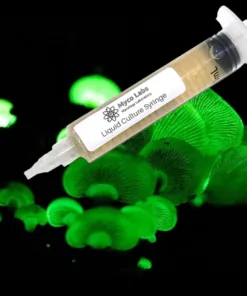
psilocybin mushroom spore syringe
Bioluminescence Panellus Stipticus Liquid Culture Syringe (10cc)
psilocybin mushroom spore syringe
Mushroom Spore Syringe
psilocybin mushroom spore syringe
Reviews
There are no reviews yet.