
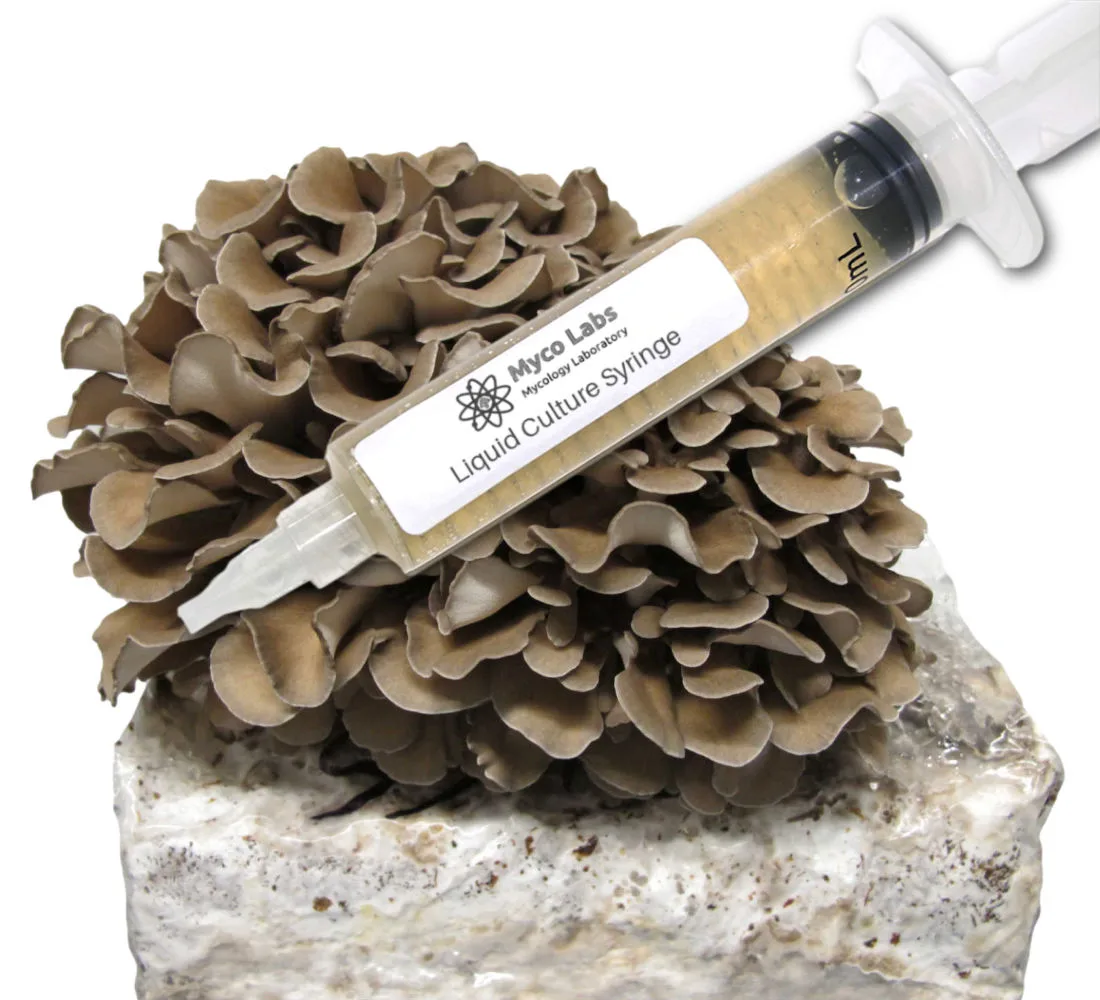

What Is a Maitake (Hen of the Woods) Liquid Culture Syringe (10cc)
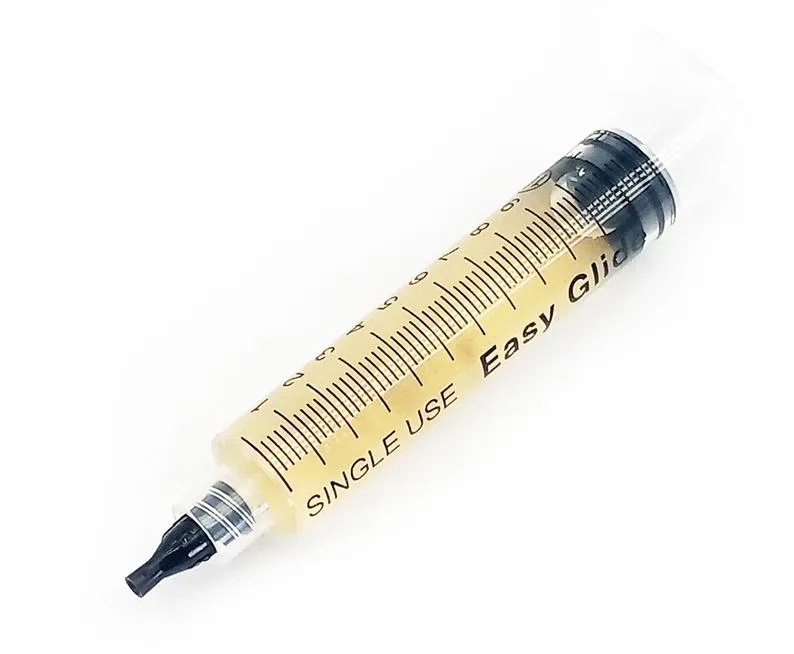
Maitake liquid culture syringe contains live, actively growing mycelium suspended in a sterile nutrient solution. The “10cc” refers to the syringe volume — 10 cubic centimeters (10 milliliters) of liquid culture.
Unlike spore syringes, liquid culture contains established mycelium, meaning:
-
Faster colonization
-
Stable genetics
-
Reduced germination time
-
Higher success rate
Each syringe typically includes:
-
Sterile 10cc syringe
-
Sterile needle
-
Nutrient broth (often malt extract-based)
-
Visible white mycelial strands
What Is Maitake (Hen of the Woods)?
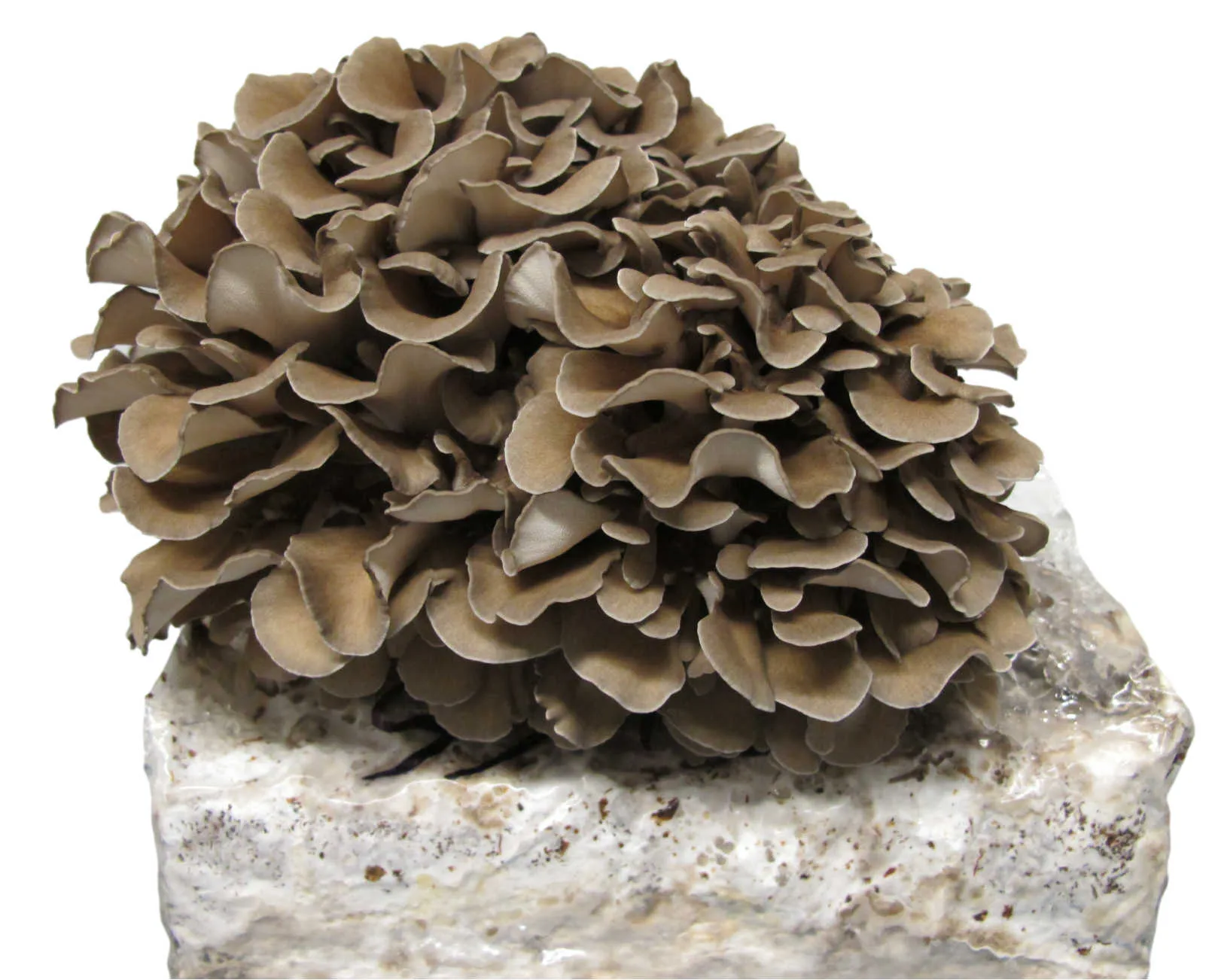
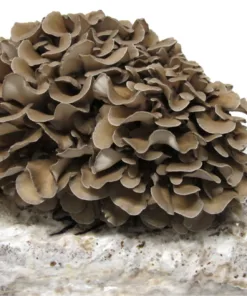
Grifola frondosa is a hardwood-loving mushroom known for:
-
Layered, ruffled clusters
-
Earthy, savory flavor
-
Dense yet tender texture
-
Autumn fruiting season
It naturally grows at the base of oak trees and other hardwoods.
Maitake is both a gourmet delicacy and a subject of scientific research due to its bioactive compounds.
Why Choose Liquid Culture Instead of Spores for Maitake?
This is one of the most common search questions.
Maitake spores can be slow and unpredictable. Liquid culture offers:
-
Faster colonization
-
Proven strain genetics
-
More consistent yields
-
Reduced contamination risk
-
Stronger initial growth
Maitake is slower growing compared to oyster mushrooms, so starting with active mycelium provides a major advantage.
How Do You Use a 10cc Maitake Liquid Culture Syringe?
Basic inoculation steps:
-
Shake syringe gently to distribute mycelium.
-
Flame sterilize needle until red hot.
-
Allow needle to cool briefly.
-
Inject 1–3 cc into sterile grain jar or grow bag.
-
Incubate at recommended temperature.
Sterile technique is essential because maitake grows more slowly than aggressive species like oysters.
How Much Liquid Culture Should I Use Per Jar?
General recommendations:
-
1–2 cc per quart jar
-
3–5 cc per 3–5 lb grain bag
Using excessive liquid can oversaturate grain and increase contamination risk.
How Long Does Maitake Take to Colonize?
Maitake is slower than many gourmet species.
Typical timeline:
-
Grain colonization: 14–21 days
-
Bulk substrate colonization: 3–4 weeks
-
Fruiting after colonization: 2–3 weeks
Total grow time: approximately 6–10 weeks.
Patience is essential when cultivating maitake.
What Is the Best Substrate for Maitake?
Maitake prefers hardwood-based substrates.
Best options include:
-
Oak sawdust
-
Hardwood sawdust blocks
-
Supplemented sawdust (Master’s Mix)
-
Oak-enriched blends
It thrives on lignin-rich hardwood materials.
Can Maitake Grow on Logs?
Yes.
Like its wild habitat, maitake can grow on hardwood logs such as:
-
Oak
-
Maple
-
Beech
Log cultivation takes longer but can produce seasonal harvests for several years.
What Temperature Is Best for Maitake?
Ideal ranges:
-
Colonization: 70–75°F (21–24°C)
-
Fruiting: 55–65°F (13–18°C)
Cooler fruiting temperatures encourage dense, layered clusters.
Does Maitake Need Light to Grow?
Light is not required during colonization.
For fruiting:
-
Indirect light is beneficial
-
Natural daylight is sufficient
-
12-hour light cycle works well
Light helps shape proper cluster formation.
How Much Humidity Does Maitake Need?
Ideal fruiting humidity:
-
85–95% relative humidity
Low humidity can cause:
-
Small clusters
-
Dry fronds
-
Reduced yields
Consistent moisture is crucial.
How Much Fresh Air Exchange Does Maitake Require?
Maitake needs moderate fresh air exchange.
Too little airflow can cause:
-
Dense but malformed clusters
-
Poor development
-
Reduced size
Balanced ventilation supports proper structure.
How Many Flushes Can You Get from Maitake?
Typically:
-
1–2 strong flushes per block
-
Occasionally 3 under optimal conditions
The first flush is usually the largest and most productive.
What Yield Can I Expect from Maitake?
Average biological efficiency:
-
50–75% of dry substrate weight
A 5 lb supplemented block may yield 2–4 lbs of fresh maitake.
Maitake yields are typically lower than oysters but command higher market value.
How Should I Store a Maitake Liquid Culture Syringe?
Proper storage extends viability.
Best practices:
-
Refrigerate at 35–45°F
-
Avoid freezing
-
Store upright
-
Avoid repeated warming cycles
Under proper refrigeration, liquid culture remains viable for 6–12 months.
How Can I Tell If My Maitake Liquid Culture Is Contaminated?
Healthy culture:
-
Clear liquid
-
White, wispy mycelium
-
Neutral or mild smell
Signs of contamination:
-
Milky cloudiness
-
Sour odor
-
Colored growth
Testing on agar before large-scale use is recommended.
Can I Expand Maitake Liquid Culture?
Yes.
To expand:
-
Prepare sterile liquid nutrient broth.
-
Inject 1 cc from original syringe.
-
Incubate 7–14 days.
-
Maintain strict sterile technique.
Because maitake grows slower, patience during expansion is important.
Why Is My Maitake Growing Slowly?
Common reasons:
-
Low temperature
-
Weak substrate nutrition
-
Old liquid culture
-
Poor genetics
Maitake is naturally slower than oysters and lion’s mane.
Why Isn’t My Maitake Fruiting?
Possible causes:
-
Temperature too warm
-
Low humidity
-
Insufficient fresh air
-
Substrate not fully colonized
Allow full colonization before initiating fruiting conditions.
Is Maitake Good for Beginners?
Maitake is moderately advanced.
It requires:
-
Patience
-
Proper humidity control
-
Hardwood substrates
-
Careful sterile technique
It is not as forgiving as oysters but is manageable with proper research.
What Does Maitake Taste Like?
Flavor profile:
-
Rich
-
Earthy
-
Savory and umami-forward
-
Slightly peppery
It holds texture well in cooking and is highly valued in gourmet cuisine.
Are There Health Benefits Associated with Maitake?
Grifola frondosa contains beta-glucans and other bioactive compounds that have been studied for immune-support potential.
Research is ongoing, and individuals should consult healthcare professionals for medical advice.
Can Maitake Be Grown Commercially?
Yes.
Commercial growers use:
-
Master culture maintenance
-
Grain spawn production
-
Hardwood supplemented substrate
-
Controlled fruiting rooms
Maitake commands premium prices at farmers markets and specialty grocers.
Why Is Maitake Called Hen of the Woods?
The layered fronds resemble a hen’s feathers when viewed from above, leading to its common name.
It grows at the base of hardwood trees, appearing like a clustered forest hen.
Be the first to review “Maitake (Hen of the Woods) Liquid Culture Syringe (10cc)”
Related products
Mushroom Spore Syringe
Mushroom Spore Syringe

psilocybin mushroom spore syringe

Mushroom Spore Syringe
psilocybin mushroom spore syringe

psilocybin mushroom spore syringe
psilocybin mushroom spore syringe
Bioluminescence Panellus Stipticus Liquid Culture Syringe (10cc)
psilocybin mushroom spore syringe
Reviews
There are no reviews yet.