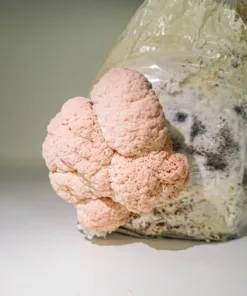
Buy Lion’s Mane Liquid Culture Syringe Online
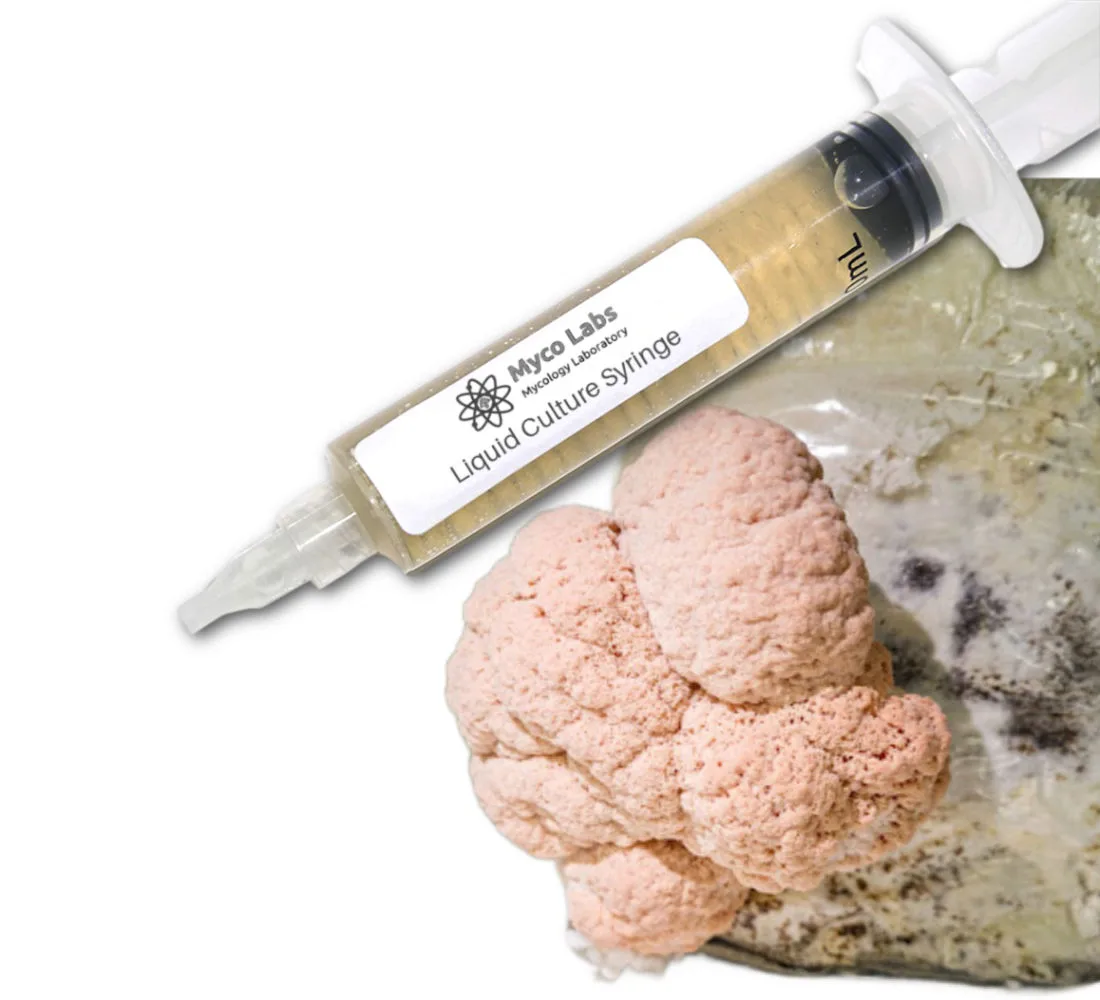
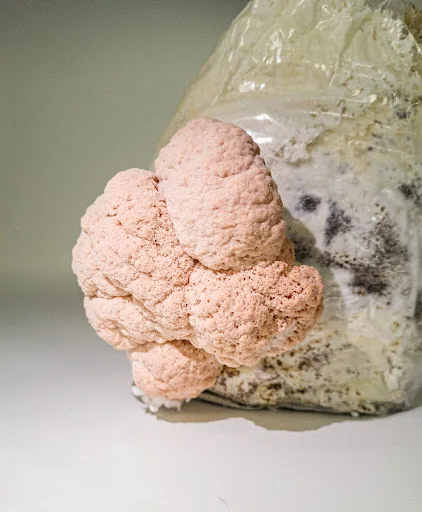
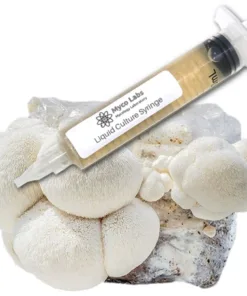
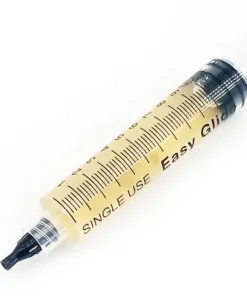
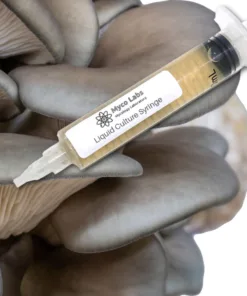
Lion’s Mane Liquid Culture Syringe is a sterile syringe filled with a nutrient-rich liquid that contains actively growing mycelium of Hericium erinaceus. Instead of containing spores, it contains live mushroom culture suspended in a solution such as sterile water mixed with light malt extract, honey, or other carbohydrates.
Lion’s Mane is one of the most popular functional mushrooms in the world due to its culinary value and potential cognitive-support properties. Known for its cascading white spines that resemble a lion’s mane, this mushroom has been used traditionally in parts of Asia and is now widely cultivated in North America and Europe.
A liquid culture syringe allows growers to:
-
Inoculate grain spawn quickly
-
Achieve faster colonization times than spores
-
Ensure consistent genetics
-
Reduce contamination risks when handled properly
Because the culture already contains living mycelium, it bypasses the germination stage required by spores, making it a preferred choice for both beginners and commercial cultivators.
What Is Lion’s Mane Liquid Culture Used For?
Lion’s Mane liquid culture is primarily used for mushroom cultivation. It is injected into sterilized grain jars or bags to grow mycelium, which later produces fruiting bodies.
Common uses include:
1. Home Mushroom Cultivation
Growers inoculate sterilized grain (such as rye berries, millet, or brown rice) to produce colonized spawn.
2. Commercial Farming
Commercial growers use liquid culture for consistent yields and predictable flushes.
3. Research and Mycology Study
Liquid cultures are widely used in mycology labs for strain preservation and genetic isolation.
4. Gourmet and Functional Mushroom Production
Lion’s Mane is valued for culinary dishes and supplement production.
Is Lion’s Mane Liquid Culture Better Than Spores?
This is one of the most searched questions on Google.
The answer depends on your goal.
Advantages of Liquid Culture:
-
Faster colonization (no germination stage)
-
Stronger and more uniform genetics
-
Higher success rate
-
Less variability
Advantages of Spores:
-
Longer shelf life
-
Useful for genetic exploration
-
Typically, cheaper
Liquid culture is often considered better for growers who want reliable results and speed. Spores are better for breeding or long-term storage.
For beginners who want the highest success rate, liquid culture is usually recommended.
How Do You Use a Lion’s Mane Liquid Culture Syringe?
Using a Lion’s Mane liquid culture syringe involves sterile technique.
Step 1: Prepare Sterilized Grain
Sterilize grain jars or bags using a pressure cooker at 15 PSI for 90–120 minutes.
Step 2: Shake the Syringe
Gently shake to distribute mycelium evenly.
Step 3: Flame Sterilize the Needle
Use a lighter to sterilize the needle tip until red hot.
Step 4: Inject Culture
Inject 1–3 mL into each jar through a self-healing injection port.
Step 5: Incubate
Store at 70–75°F in a dark area.
Colonization usually takes 7–14 days, significantly faster than spores.
How Long Does Lion’s Mane Liquid Culture Take to Colonize?
Colonization time depends on temperature, grain type, and culture quality.
Typical timeline:
-
Day 3–5: Mycelium visible
-
Day 7–10: 50–70% colonized
-
Day 10–14: Fully colonized
Lion’s Mane mycelium appears bright white and fluffy, often forming dense cotton-like growth.
How Do You Store a Lion’s Mane Liquid Culture Syringe?
Proper storage ensures longevity.
Refrigeration
Store at 35–45°F in a refrigerator.
Shelf Life
-
Best used within 2–3 months
-
Can remain viable for 4–6 months if properly stored
Avoid freezing, as ice crystals can damage mycelium.
Before use, allow the syringe to reach room temperature for 30–60 minutes.
Can Lion’s Mane Liquid Culture Go Bad?
Yes.
Signs of contamination include:
-
Cloudy liquid
-
Unusual colors (green, black, pink)
-
Sour or foul smell
-
Floating clumps that appear slimy
Healthy culture should look slightly cloudy with white mycelial strands.
If contamination is suspected, discard safely.
What Temperature Is Best for Lion’s Mane Liquid Culture?
Lion’s Mane thrives in moderate temperatures.
-
Colonization: 70–75°F
-
Fruiting: 60–70°F
-
Liquid culture growth: 70–75°F
Temperatures above 80°F increase contamination risk.
How Much Liquid Culture Should You Inject?
Most growers use:
-
1–3 mL per quart jar
-
3–5 mL per 3 lb grain bag
Using too much can oversaturate grain and cause bacterial issues.
Does Lion’s Mane Liquid Culture Need to Be Shaken?
Yes.
Before injection:
-
Shake gently but thoroughly
-
Break up visible mycelium clumps
After inoculation:
-
Some growers shake grain jars at 20–30% colonization
-
This speeds up full colonization
What Does Healthy Lion’s Mane Mycelium Look Like?
Lion’s Mane mycelium is:
-
Bright white
-
Fluffy or cottony
-
Dense and uniform
It may look different from oyster or cubensis mycelium, as it forms thicker, cloud-like growth.
How Do You Make Lion’s Mane Liquid Culture?
Advanced growers sometimes create their own.
Basic Recipe:
-
4% light malt extract
-
96% distilled water
-
Sterilize in jar with injection port
-
Inoculate with agar wedge
This process requires sterile lab technique and experience.
Is Lion’s Mane Liquid Culture Legal?
In most U.S. states, cultivating Lion’s Mane is completely legal because it is a gourmet mushroom and not psychoactive.
Always check local regulations before commercial production.
What Substrate Is Best for Lion’s Mane?
Lion’s Mane grows best on hardwood-based substrates.
Common options:
-
Hardwood sawdust
-
Supplemented sawdust blocks
-
Master’s mix (50% hardwood + 50% soy hulls)
It also grows on logs outdoors.
How Long Does Lion’s Mane Take to Fruit After Colonization?
After transferring colonized grain to substrate:
-
5–10 days: Full colonization of fruiting block
-
7–14 days: Pin formation
-
10–21 days: Harvest-ready fruit
Humidity should remain high (85–95%).
How Many Flushes Can Lion’s Mane Produce?
Typically:
-
2–3 flushes per block
-
First flush produces the largest yield
Proper hydration extends production.
What Are the Benefits of Growing Lion’s Mane?
Lion’s Mane is popular due to potential wellness benefits.
Research has explored its role in:
-
Cognitive support
-
Nerve growth factor stimulation
-
Focus and memory
-
Gut health
It is widely used in culinary dishes such as stir-fries and plant-based “crab” cakes.
Can Beginners Use Lion’s Mane Liquid Culture?
Yes.
Liquid culture is often easier than spores because:
-
Faster colonization
-
Higher success rates
-
Less genetic variability
Beginners should focus on sterile technique.
Why Is My Lion’s Mane Liquid Culture Not Growing?
Possible reasons:
-
Old culture
-
Contamination
-
Incorrect temperature
-
Poor sterilization
-
Low-quality grain
Ensure incubation temperature is stable and avoid excessive moisture.
What Is the Difference Between Lion’s Mane Liquid Culture and Agar?
Liquid culture contains free-floating mycelium in solution.
Agar contains mycelium growing on a solid nutrient gel.
Agar is better for isolating strains.
Liquid culture is better for mass inoculation.
How Do You Prevent Contamination With Liquid Culture?
Best practices:
-
Work in still air box or flow hood
-
Flame sterilize needle
-
Use alcohol wipes
-
Avoid talking or breathing over sterile materials
Clean technique dramatically increases success rates.
Can You Clone Lion’s Mane Into Liquid Culture?
Yes.
Advanced growers clone by:
-
Taking inner tissue from fresh mushroom
-
Placing onto agar
-
Transferring clean growth to liquid culture
This preserves genetics from strong fruiting bodies.
How Much Does Lion’s Mane Liquid Culture Cost?
Pricing varies by vendor.
Typical range:
-
$15–$30 per 10–12 mL syringe
Premium isolated strains may cost more.
Is Lion’s Mane Worth Growing at Home?
Many growers say yes because:
-
It fruits quickly
-
It’s legal and gourmet
-
It has strong market demand
-
It offers unique culinary texture
For home growers interested in functional mushrooms, Lion’s Mane is one of the best beginner-friendly species.
Be the first to review “Lion’s Mane Liquid Culture Syringe – Isolated Pink Variety (10cc)”
Related products
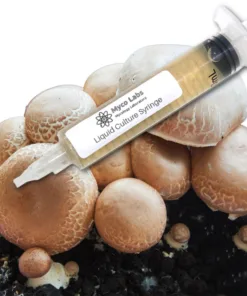
Mushroom Spore Syringe
Mushroom Spore Syringe
psilocybin mushroom spore syringe
psilocybin mushroom spore syringe
psilocybin mushroom spore syringe
psilocybin mushroom spore syringe
psilocybin mushroom spore syringe
psilocybin mushroom spore syringe
Reviews
There are no reviews yet.