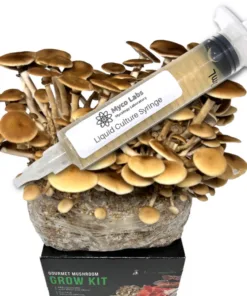
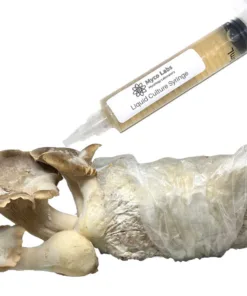
Buy Golden (Yellow) Oyster Liquid Culture Syringe Online
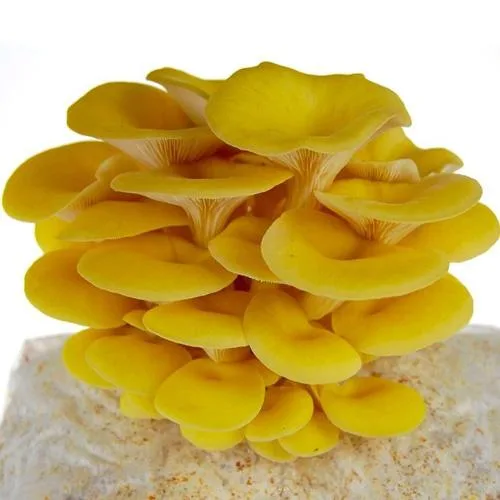
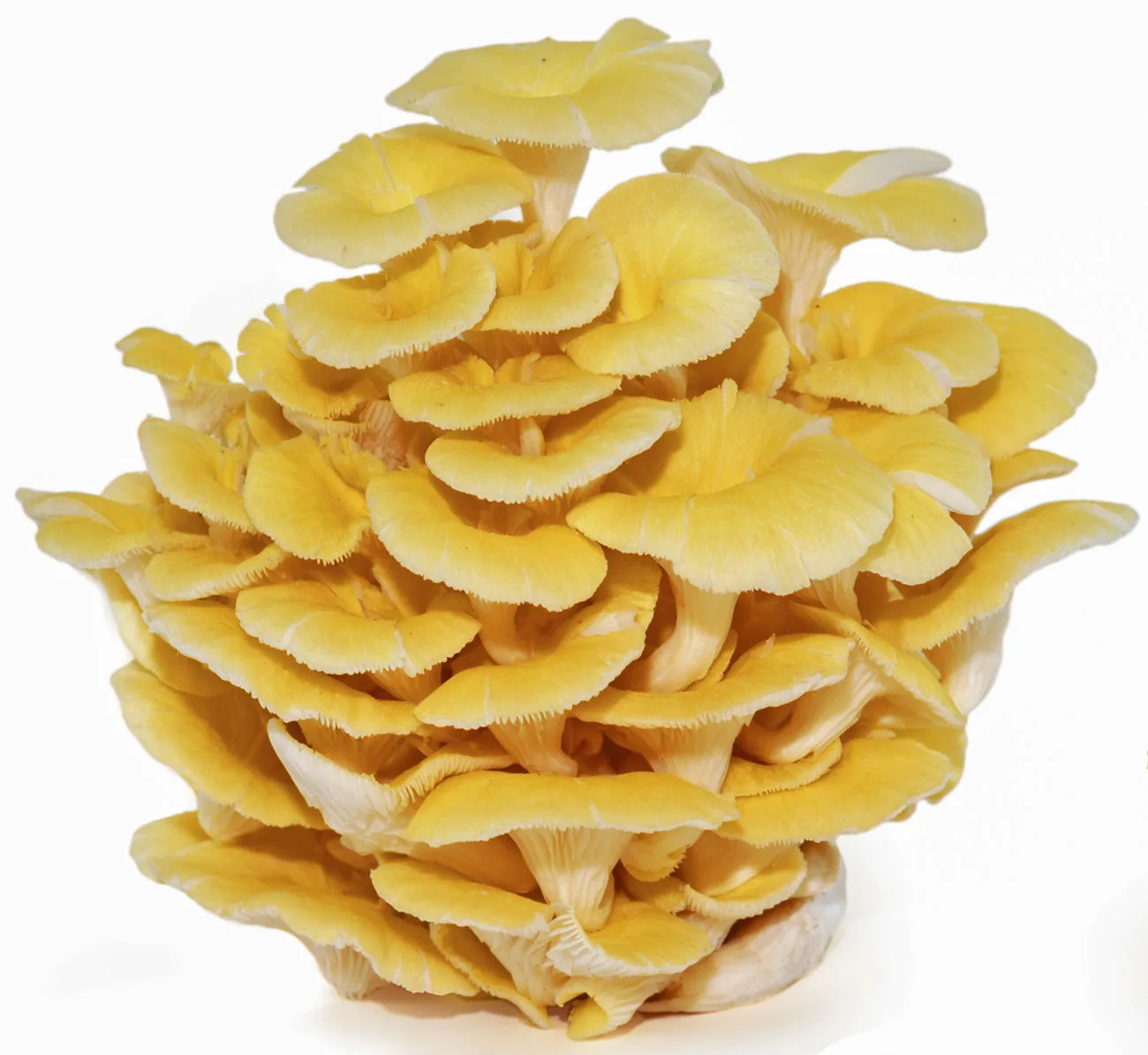
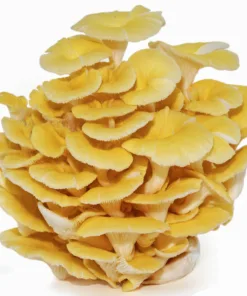
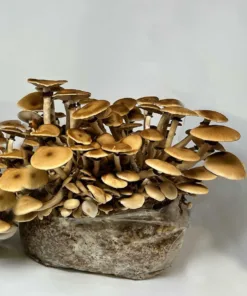
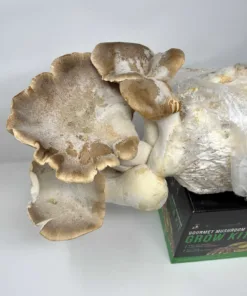
Golden Oyster mushrooms are one of the most visually stunning and beginner-friendly gourmet mushrooms available today. Known scientifically as Pleurotus citrinopileatus, these bright yellow clusters are prized for their fast growth, delicate texture, and slightly nutty flavor.
If you’re researching a Golden (Yellow) Oyster Liquid Culture Syringe, chances are you want to grow your own mushrooms quickly and successfully. This guide answers the most commonly searched Google questions about Golden Oyster liquid culture syringes — from what they are and how they work to storage, yields, and troubleshooting.
What Is a Golden (Yellow) Oyster Liquid Culture Syringe?
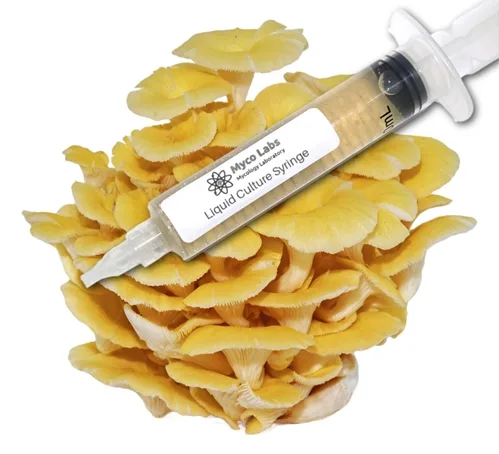
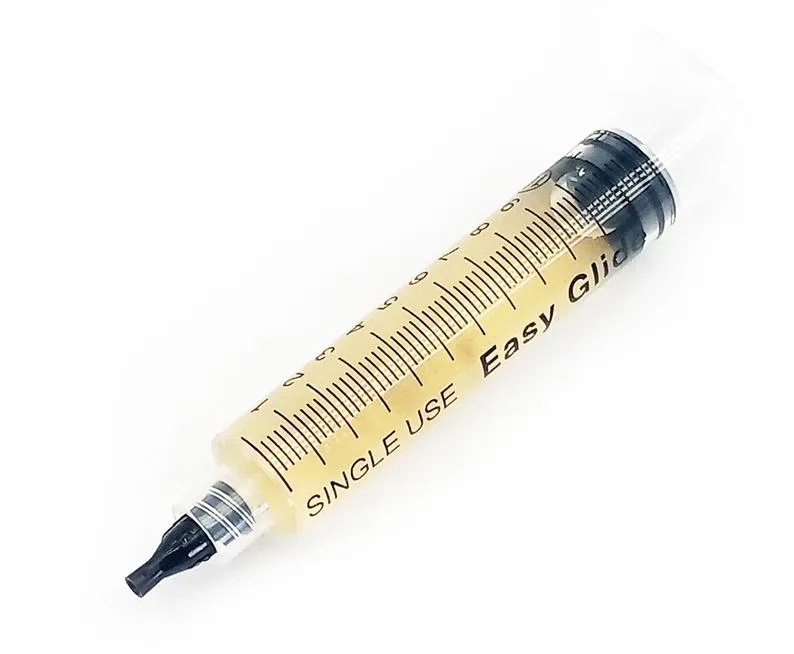
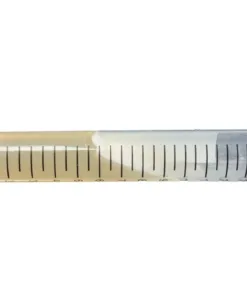
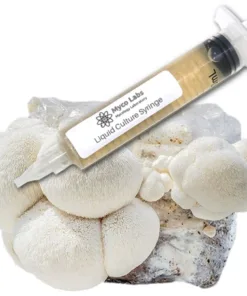
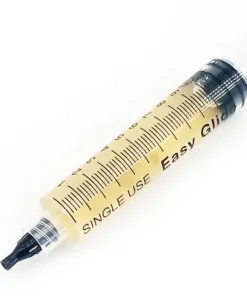
A Golden Oyster liquid culture syringe is a sterile syringe filled with live mycelium suspended in a nutrient-rich liquid solution. Instead of starting from spores, this syringe contains already-germinated fungal tissue.
This means:
-
Faster colonization
-
Lower contamination risk compared to spores
-
More consistent results
-
Easier success for beginners
The liquid typically contains sterilized water mixed with a light sugar source (like light malt extract or honey), which keeps the mycelium alive and growing in suspension.
What Is Golden Oyster Mushroom (Pleurotus citrinopileatus)?
Pleurotus citrinopileatus is a warm-weather oyster mushroom species native to parts of Asia but now cultivated worldwide.
It’s known for:
-
Bright golden-yellow caps
-
Fast colonization speed
-
Dense cluster growth
-
Mild, nutty, slightly seafood-like flavor
-
Excellent beginner performance
Golden Oysters are considered one of the easiest gourmet mushrooms to cultivate at home.
Why Choose a Liquid Culture Syringe Instead of Spores?
This is one of the most common questions on Google.
Liquid Culture Advantages:
-
Faster Growth – Mycelium is already alive and active.
-
Reduced Germination Time – Spores must first germinate before colonization begins.
-
Higher Success Rate – Especially for beginners.
-
More Predictable Results – Cloned genetics mean consistency.
Spore syringes introduce genetic variability. Liquid culture syringes typically come from isolated or cloned genetics, offering uniform performance.
How Do You Use a Golden Oyster Liquid Culture Syringe?
Using one is straightforward if you follow sterile technique.
Basic Steps:
-
Sanitize your workspace with 70% isopropyl alcohol.
-
Flame-sterilize the needle until red hot.
-
Let it cool for 10–15 seconds.
-
Inject 1–3 mL into a sterile substrate (grain jar or grow bag).
-
Seal and incubate.
Always shake the syringe gently before use to distribute mycelium evenly.
How Much Liquid Culture Should I Inject?
A common guideline:
-
1–2 mL per quart jar
-
3–5 mL for 3–5 lb grow bags
Using too much can oversaturate grain and increase contamination risk. A little goes a long way.
What Is the Best Substrate for Golden Oyster Mushrooms?
Golden Oysters are aggressive colonizers and grow on many materials.
Best Substrates:
-
Hardwood sawdust
-
Supplemented sawdust blocks
-
Straw
-
Coffee grounds (small scale)
-
Soy hull/sawdust mix (Master’s Mix)
They prefer hardwood-based substrates and thrive in warm temperatures.
How Long Does Golden Oyster Mycelium Take to Colonize?
Golden Oyster is one of the fastest colonizers in the oyster family.
Typical timeline:
-
Grain colonization: 5–10 days
-
Full substrate colonization: 7–14 days
-
Fruiting after colonization: 5–10 days
Total time from inoculation to harvest can be as little as 3–4 weeks.
What Temperature Is Best for Golden Oyster Mushrooms?
Golden Oysters prefer warmer temperatures compared to other oyster species.
Ideal Ranges:
-
Colonization: 70–80°F (21–27°C)
-
Fruiting: 65–75°F (18–24°C)
They perform especially well in late spring and summer conditions.
How Should I Store a Golden Oyster Liquid Culture Syringe?
Storage is critical to preserve viability.
Best Storage Method:
-
Refrigerate at 35–45°F
-
Store upright if possible
-
Avoid freezing
-
Avoid repeated temperature fluctuations
Properly stored liquid cultures can last 6–12 months.
How Long Does a Liquid Culture Syringe Last?
Under refrigeration:
-
6 months: optimal performance
-
Up to 12 months: still viable in many cases
Over time, nutrients deplete and mycelium weakens, so fresher is better.
Can Golden Oyster Mushrooms Grow on Logs?
Yes.
While liquid culture is usually used for indoor grow bags or grain spawn, Golden Oysters can also be grown on hardwood logs outdoors.
Best woods:
-
Oak
-
Maple
-
Beech
However, they are less cold-tolerant than blue oyster species.
Are Golden Oyster Mushrooms Good for Beginners?
Absolutely.
Golden Oysters are considered one of the easiest gourmet mushrooms because:
-
They colonize quickly
-
They outcompete contaminants well
-
They fruit aggressively
-
They tolerate beginner mistakes
If you are new to mushroom cultivation, this is an excellent starting species.
What Do Golden Oyster Mushrooms Taste Like?
Flavor profile:
-
Mild
-
Slightly nutty
-
Slight seafood aroma when raw
-
Delicate texture
They are best sautéed lightly and used in stir-fries, pasta, and soups.
Why Is My Golden Oyster Liquid Culture Cloudy?
Some cloudiness is normal due to mycelium growth.
However:
-
Milky or foul-smelling culture may indicate contamination.
-
Clear liquid with floating white strands is healthy.
-
Off-colors (green, black, pink) suggest mold or bacteria.
Always test on agar if unsure.
How Can I Tell If My Liquid Culture Is Contaminated?
Signs of contamination:
-
Sour smell
-
Unusual colors
-
No visible mycelial strands
-
Rapid sediment formation
Healthy liquid culture shows:
-
Wispy white mycelium
-
No foul odor
-
Clear liquid background
When in doubt, test on agar before expanding.
Can I Make More Liquid Culture from My Syringe?
Yes — advanced growers often expand cultures.
Basic method:
-
Prepare sterilized liquid media (light malt extract + water).
-
Inject 1 mL from your syringe.
-
Incubate 5–10 days.
-
Use magnetic stir plate for faster growth.
Sterility is critical during expansion.
What Is the Yield of Golden Oyster Mushrooms?
Yield depends on substrate and conditions.
Average biological efficiency:
-
75%–100% (meaning 1 lb dry substrate can produce 0.75–1 lb fresh mushrooms)
Golden Oysters are known for high productivity in warm conditions.
Why Are My Golden Oysters Pale Instead of Bright Yellow?
Common causes:
-
Too little light
-
Low fresh air exchange
-
Genetics
-
Overmature fruiting
Golden color develops best with indirect light and proper airflow.
Do Golden Oyster Mushrooms Need Light to Grow?
They don’t need light to colonize.
They do need light to:
-
Trigger fruiting
-
Develop proper color
-
Form correct caps
Indirect daylight or a 12-hour LED cycle works well.
How Often Can Golden Oyster Mushrooms Flush?
Typically:
-
2–3 flushes per block
-
First flush is largest
-
Later flushes smaller but still productive
Rest period between flushes: 7–14 days.
Are Golden Oyster Mushrooms Healthy?
Golden Oysters contain:
-
Protein
-
Fiber
-
B vitamins
-
Antioxidants
-
Beta-glucans
They are commonly included in functional and gourmet diets.
Can I Grow Golden Oysters Indoors Without Special Equipment?
Yes.
Minimal setup:
-
Grow bag
-
Spray bottle
-
Humid room
-
Indirect light
More advanced growers use fruiting tents or monotubs for better humidity control.
Why Are My Golden Oyster Caps Small?
Likely causes:
-
Low humidity
-
Poor fresh air exchange
-
Overcrowded fruit clusters
-
Insufficient nutrients
Increasing airflow often dramatically improves cap size.
Is Golden Oyster the Same as Yellow Oyster?
Yes.
“Golden Oyster” and “Yellow Oyster” are common names for Pleurotus citrinopileatus.
They refer to the same species.
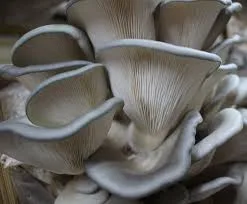
What Makes Golden Oyster Different from Blue Oyster?
Golden Oysters:
-
Prefer warm temperatures
-
Bright yellow caps
-
Slightly more delicate texture
Blue Oysters:
-
Prefer cooler temperatures
-
Gray-blue caps
-
Meatier texture
Golden Oysters are better suited for summer grows.
Can I Sell Mushrooms Grown from Liquid Culture?
Regulations vary by location.
In many areas, you can sell gourmet mushrooms if:
-
Grown in sanitary conditions
-
Labeled properly
-
Compliant with food safety regulations
Check local agricultural laws before selling commercially.
Be the first to review “Golden (Yellow) Oyster Liquid Culture Syringe (10cc)”
Related products
psilocybin mushroom spore syringe
psilocybin mushroom spore syringe
psilocybin mushroom spore syringe
psilocybin mushroom spore syringe
psilocybin mushroom spore syringe
psilocybin mushroom spore syringe
Mushroom Spore Syringe
psilocybin mushroom spore syringe
Reviews
There are no reviews yet.