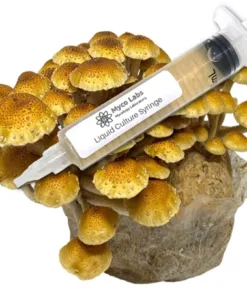
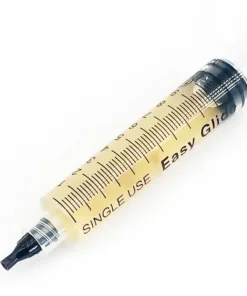
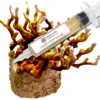
Buy Chestnut Mushroom Liquid Culture Syringe Online
Chestnut mushrooms are gaining serious popularity among gourmet growers due to their rich flavor, beautiful caramel-brown caps, and impressive cluster formations. If you’re looking to grow them efficiently, a Chestnut Mushroom Liquid Culture Syringe is one of the fastest and most reliable ways to get started.
This in-depth guide answers the most frequently searched Google-style questions about Chestnut Mushroom Liquid Culture Syringes, covering everything from colonization times to troubleshooting, storage, substrates, yields, and more.
What Is a Chestnut Mushroom Liquid Culture Syringe?
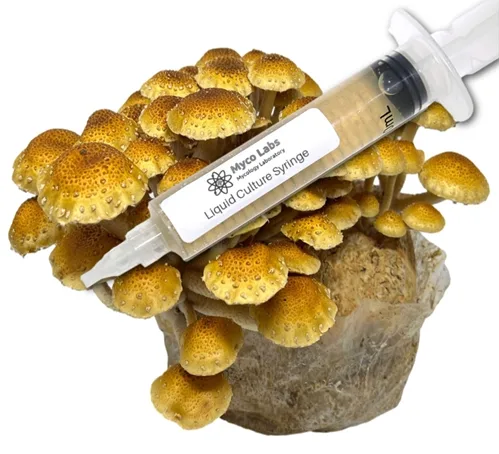
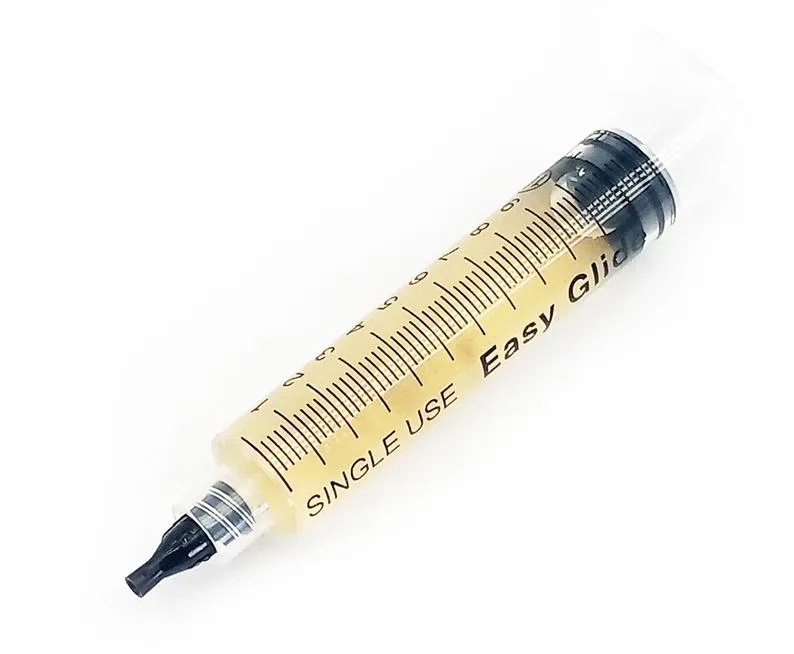
A Chestnut Mushroom Liquid Culture Syringe is a sterile syringe containing a nutrient broth infused with live mycelium of the Chestnut mushroom species, scientifically known as Pholiota adiposa.
Instead of spores, which must germinate before growth begins, liquid culture contains already-established mycelium. This allows growers to:
-
Achieve faster colonization
-
Reduce contamination risks
-
Ensure consistent genetics
-
Scale production more easily
The syringe typically contains:
-
Sterile sugar-based nutrient solution
-
Visible white mycelial strands
-
Sterile needle for injection
What Are Chestnut Mushrooms?
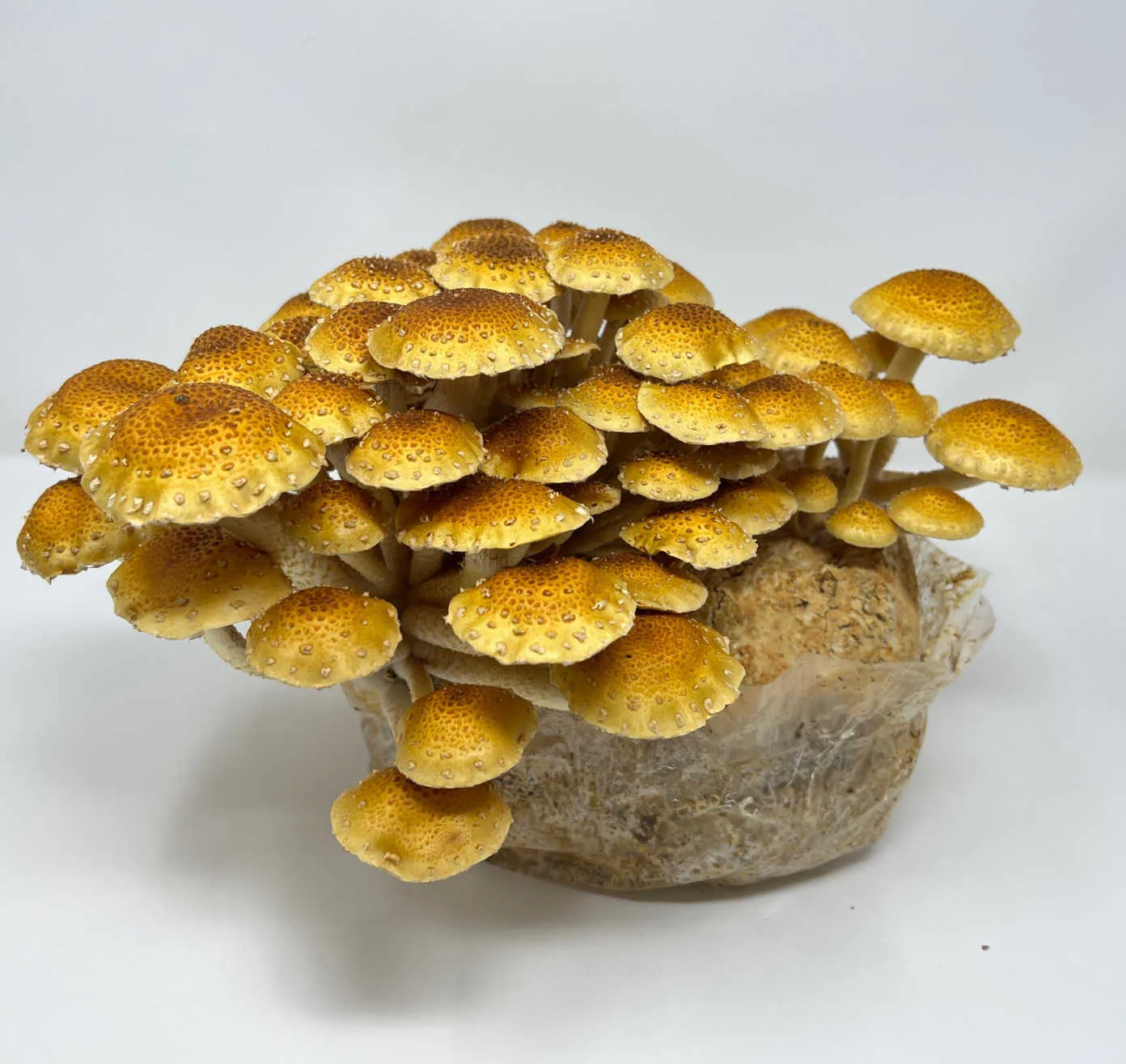
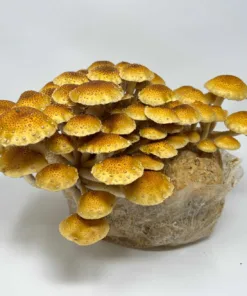
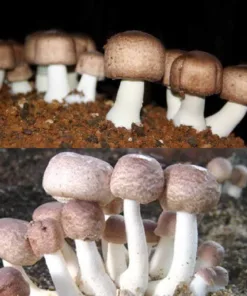
Chestnut mushrooms (not to be confused with cremini or brown button mushrooms) are a gourmet species known for:
-
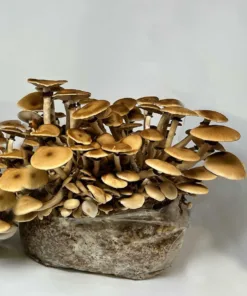
Deep brown to golden caps
-
Slightly crunchy texture
-
Nutty, earthy flavor
-
Attractive clustered growth
The species Pholiota adiposa is sometimes called the “Cinnamon Cap” or “Fat Pholiota.” It naturally grows on hardwood trees and decaying logs.
They are prized for:
-
Culinary appeal
-
Strong visual presentation
-
High biological efficiency
-
Commercial potential
How Does a Chestnut Mushroom Liquid Culture Syringe Work?
A liquid culture syringe works by transferring live mycelium into a sterilized substrate. Once injected, the mycelium:
-
Adapts to the new environment
-
Begins spreading through the substrate
-
Forms a dense white network
-
Fully colonizes the material
Because it skips the spore germination phase, growth begins immediately.
Common inoculation targets:
-
Grain jars
-
Grain bags
-
Agar plates
-
Liquid expansion jars
-
Supplemented sawdust blocks
Is Liquid Culture Better Than Spores for Chestnut Mushrooms?
This is one of the most searched questions online.
Advantages of Liquid Culture:
Faster colonization
Mycelium is already alive and active.
Greater consistency
Spores produce genetic variability. Liquid culture maintains stable genetics.
Higher success rate
Shorter colonization window reduces contamination risk.
Ideal for scaling
Commercial growers prefer liquid culture for production cycles.
Spores are better for breeding projects, but for growing, liquid culture is usually superior.
How Do You Use a Chestnut Mushroom Liquid Culture Syringe?
Step 1: Prepare a Clean Workspace
-
Wipe surfaces with 70% isopropyl alcohol
-
Flame sterilize needle
-
Wear gloves
Step 2: Shake the Syringe
Break up clumps of mycelium by shaking vigorously.
Step 3: Inject Substrate
-
Use 1–3 mL per quart grain jar
-
Inject into self-healing injection ports
Step 4: Incubate
Place jars at:
-
65–75°F (18–24°C)
Step 5: Wait for Colonization
Full colonization typically occurs within 10–21 days depending on conditions.
What Is the Best Substrate for Chestnut Mushrooms?
Chestnut mushrooms prefer hardwood-based substrates.
Best options include:
Supplemented Hardwood Sawdust
-
Oak
-
Beech
-
Alder
Often supplemented with:
-
Wheat bran (5–10%)
Sterilized Grain (for spawn production)
-
Rye
-
Millet
-
Wheat
Logs (Outdoor Growing)
-
Freshly cut hardwood logs
Chestnut mushrooms are wood-loving fungi, so hardwood substrates yield best results.
How Long Does Chestnut Mushroom Liquid Culture Take to Colonize?
Colonization times vary:
| Substrate | Colonization Time |
|---|---|
| Agar | 7–10 days |
| Grain | 10–21 days |
| Sawdust block | 14–28 days |
Chestnut mushrooms grow slightly slower than oyster mushrooms but faster than shiitake.
What Temperature Is Best for Growing Chestnut Mushrooms?
For mycelial growth:
-
65–75°F (18–24°C)
For fruiting:
-
55–70°F (13–21°C)
They prefer cooler fruiting conditions similar to fall weather.
How Do You Store a Chestnut Mushroom Liquid Culture Syringe?
Storage guidelines:
-
Refrigerate at 35–40°F (2–4°C)
-
Keep upright
-
Avoid freezing
Shelf life:
-
3–6 months optimal
-
Sometimes up to 12 months if stored properly
Always let syringe warm to room temperature before use.
How Do You Know If Liquid Culture Is Contaminated?
Signs of contamination include:
-
Cloudy or milky liquid
-
Sour smell
-
Colored patches (green, black, pink)
-
Excess sediment
Healthy liquid culture should show:
-
Wispy white strands
-
Slightly clear broth
-
No unusual colors
When unsure, test on agar before using in bulk.
Why Is My Chestnut Mushroom Mycelium Growing Slowly?
Possible reasons:
-
Low temperature
-
Old liquid culture
-
Poor nutrition in substrate
-
Contamination
-
Excess moisture
Chestnut mushrooms are steady growers but not as aggressive as oysters.
How Much Liquid Culture Should You Use Per Bag?
General rule:
-
3–5 mL for 5 lb substrate bag
-
1–3 mL per quart grain jar
Using too much can increase moisture and contamination risk.
Can Beginners Grow Chestnut Mushrooms Using Liquid Culture?
Yes, but they are slightly more sensitive than oysters.
Beginner tips:
-
Start with sterilized supplemented sawdust blocks
-
Maintain clean technique
-
Provide fresh air during fruiting
-
Monitor humidity carefully
They reward careful growers with beautiful clusters.
What Humidity Is Needed for Chestnut Mushroom Fruiting?
Ideal fruiting humidity:
-
85–95%
Low humidity leads to:
-
Cracked caps
-
Small fruits
-
Poor clustering
Proper airflow is equally important to avoid long stems and underdeveloped caps.
Do Chestnut Mushrooms Need Light to Grow?
Mycelium:
-
No light needed
Fruiting:
-
Indirect light helps trigger formation
-
Does not require intense light
A simple grow tent with ambient room light works fine.
How Many Flushes Can You Get From a Chestnut Mushroom Block?
Typically:
-
2–3 flushes
Time between flushes:
-
10–14 days
Yield decreases after each flush.
What Yield Can You Expect From Chestnut Mushrooms?
Average biological efficiency:
-
60–100%
From a 5 lb block:
-
0.75–1.5 lbs fresh mushrooms
Yield depends on:
-
Supplementation
-
Fresh air exchange
-
Humidity
-
Strain vigor
What Do Chestnut Mushrooms Taste Like?
Flavor profile:
-
Nutty
-
Earthy
-
Slightly peppery
-
Firm texture
They hold texture well in:
-
Stir-fries
-
Soups
-
Pasta
-
Risotto
-
Roasted vegetable dishes
They are considered premium gourmet mushrooms.
Can You Grow Chestnut Mushrooms Outdoors?
Yes.
Methods include:
-
Log inoculation
-
Wood chip beds
-
Outdoor sawdust blocks
Best seasons:
-
Spring
-
Fall
They prefer moderate temperatures and natural humidity.
Can You Expand Chestnut Mushroom Liquid Culture?
Yes.
Expansion method:
-
Prepare sterile nutrient broth
-
Inject small amount of LC
-
Incubate 7–14 days
-
Test on agar before scaling
Always confirm no contamination before making multiple syringes.
Why Are My Chestnut Mushrooms Small?
Common causes:
-
Low humidity
-
Poor fresh air exchange
-
Insufficient substrate nutrition
-
Early harvesting
Increase airflow and humidity to improve cluster size.
What Equipment Do You Need to Use Liquid Culture?
Basic setup:
-
Alcohol wipes
-
Lighter
-
Sterile grain jars or grow bags
-
Gloves
-
Clean environment
Advanced growers may use:
-
Pressure cooker
-
Still air box
-
Laminar flow hood
Is Growing Chestnut Mushrooms Profitable?
Yes, especially for:
-
Farmers markets
-
Restaurant supply
-
Specialty grocery stores
Benefits:
-
High retail value
-
Unique appearance
-
Gourmet appeal
-
Growing market demand
Many small-scale mushroom farms add Chestnut mushrooms to diversify offerings.
Common Mistakes When Using Chestnut Mushroom Liquid Culture
-
Poor sterilization technique
-
Using too much inoculant
-
Incorrect incubation temperature
-
Insufficient fresh air during fruiting
-
Harvesting too late
Avoiding these increases success dramatically.
How Long Does a Chestnut Mushroom Liquid Culture Syringe Last?
Refrigerated shelf life:
-
3–6 months optimal
-
Up to 1 year possible
Always test older cultures on agar before full use.
Be the first to review “Chestnut Mushroom Liquid Culture Syringe (10cc)”
Related products
psilocybin mushroom spore syringe
Mushroom Spore Syringe
psilocybin mushroom spore syringe
psilocybin mushroom spore syringe
psilocybin mushroom spore syringe
psilocybin mushroom spore syringe
psilocybin mushroom spore syringe
Lion’s Mane Liquid Culture Syringe – Isolated Pink Variety (10cc)
Mushroom Spore Syringe
Reviews
There are no reviews yet.