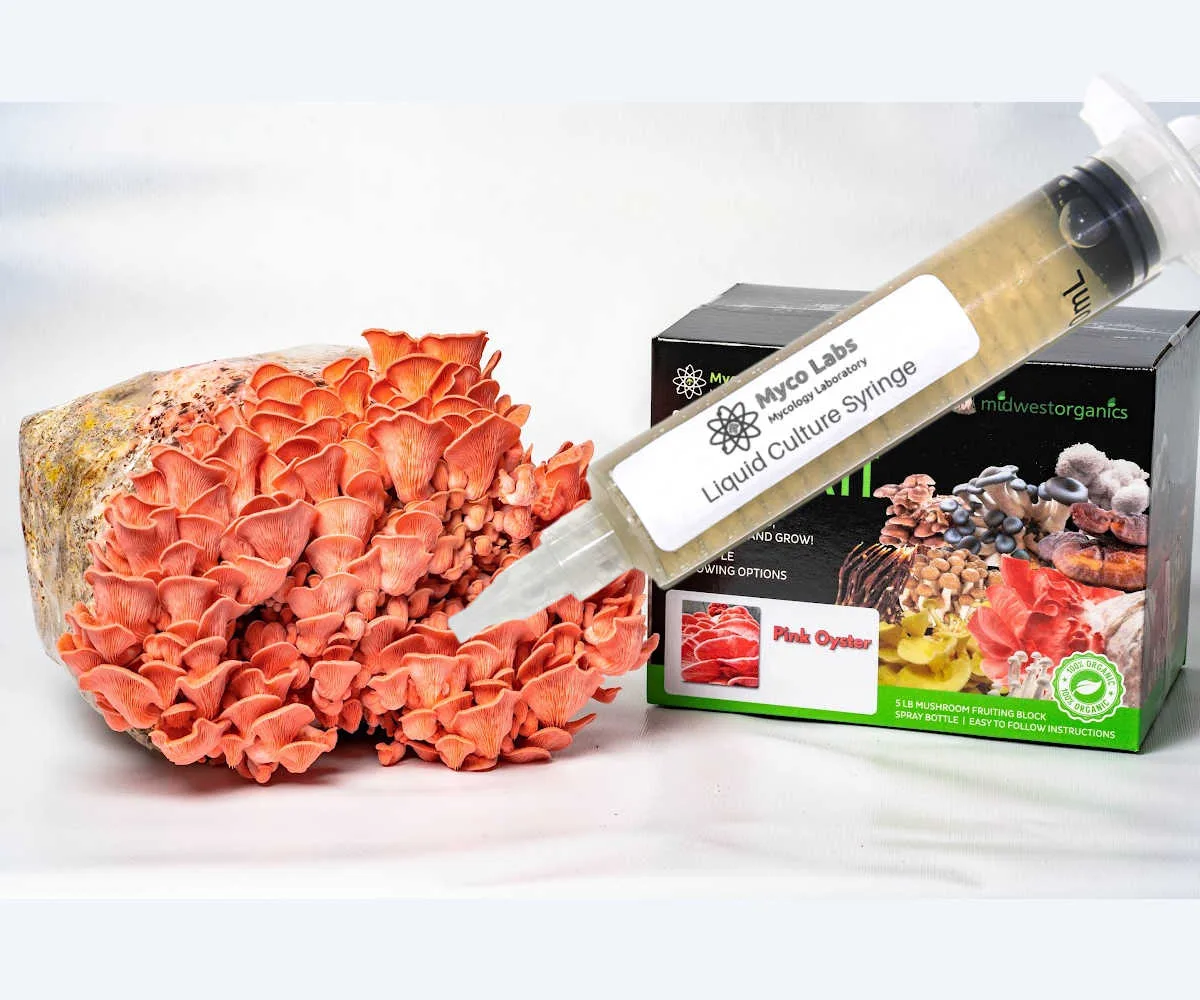

What Is a Pink Oyster Liquid Culture Syringe?
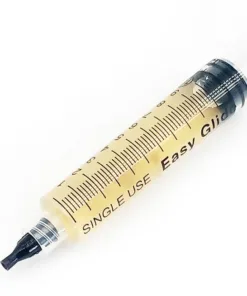
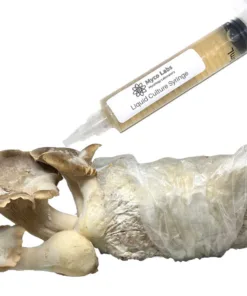
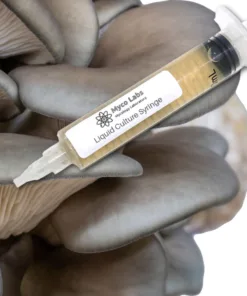
A liquid culture syringe contains live, actively growing mushroom mycelium suspended in a sterile nutrient solution.
Instead of spores (which must germinate first), liquid culture provides:
-
Established mycelium
-
Faster colonization
-
More predictable growth
-
Lower contamination risk
-
Consistent genetics
The liquid medium usually contains sterilized water with a light sugar source like malt extract to sustain the mycelium.
What Is Pink Oyster Mushroom?
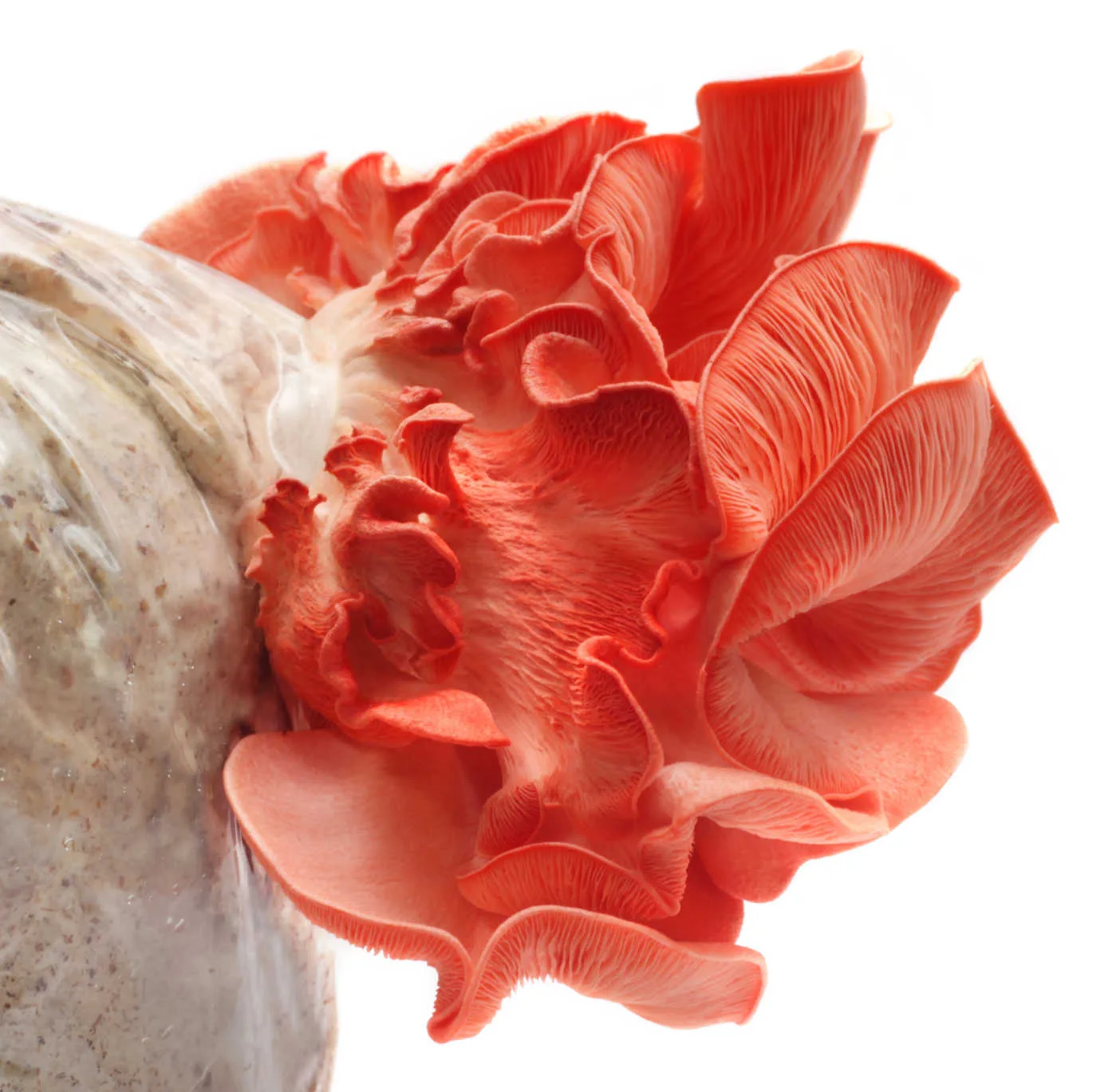
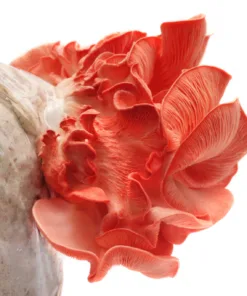
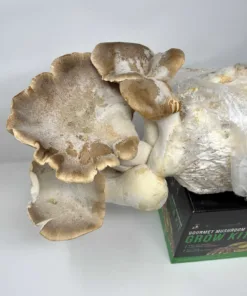
Pleurotus djamor is a tropical oyster mushroom species known for:
-
Bright pink to salmon-colored caps
-
Fast growth rate
-
Dense clustering
-
Warm weather preference
-
Slightly seafood-like aroma when raw
It is popular among home growers due to its speed and vibrant appearance.
Why Choose a Liquid Culture Syringe Instead of Spores?
This is one of the most common beginner questions.
Advantages of Liquid Culture:
-
Immediate growth — Mycelium is already active.
-
Faster colonization — No need to wait for spore germination.
-
Genetic consistency — Often cloned from strong fruiting bodies.
-
Reduced contamination window — Faster colonization means less risk.
Spore syringes can produce genetic variability, while liquid culture provides stable performance.
How Do You Use a Pink Oyster Liquid Culture Syringe?
Basic steps:
-
Shake syringe gently to distribute mycelium.
-
Sanitize workspace with 70% isopropyl alcohol.
-
Flame sterilizes the needle until red hot.
-
Let the needle cool briefly.
-
Inject 1–3 mL into sterile grain jar or grow bag.
-
Incubate at recommended temperature.
Sterile technique is critical for success.
How Much Liquid Culture Should I Inject?
General guidelines:
-
1–2 mL per quart jar
-
3–5 mL per 3–5 lb grow bag
Using too much liquid can oversaturate grain and increase contamination risk.
What Is the Best Substrate for Pink Oyster Mushrooms?
Pink Oysters are aggressive colonizers and adaptable.
Best substrates include:
-
Hardwood sawdust
-
Supplemented sawdust blocks
-
Straw
-
Coffee grounds (small-scale grows)
-
Master’s Mix (hardwood + soy hulls)
They perform especially well on supplemented hardwood substrates.
How Long Does Pink Oyster Mycelium Take to Colonize?
Pink Oyster is one of the fastest growing oyster species.
Typical timeline:
-
Grain colonization: 5–10 days
-
Bulk substrate colonization: 7–14 days
-
Fruiting after colonization: 5–10 days
Total time from inoculation to harvest can be as little as 3–4 weeks.
What Temperature Is Best for Pink Oyster Mushrooms?
Pink Oysters prefer warm conditions.
Ideal ranges:
-
Colonization: 70–85°F (21–29°C)
-
Fruiting: 65–80°F (18–27°C)
They thrive in summer temperatures and tropical climates.
Why Are My Pink Oysters Not Pink?
Color depends on:
-
Temperature (warmer = brighter pink)
-
Light exposure
-
Genetics
Cool temperatures often produce pale or faded mushrooms.
Do Pink Oyster Mushrooms Need Light?
Light is not required for colonization.
For fruiting:
-
Indirect light is recommended
-
12-hour light cycle works well
-
Natural daylight is sufficient
Light helps orientation and enhances color development.
How Should I Store a Pink Oyster Liquid Culture Syringe?
Proper storage preserves viability.
Best practices:
-
Refrigerate at 35–45°F
-
Avoid freezing
-
Store upright
-
Limit temperature fluctuations
Stored properly, liquid culture can last 6–12 months.
How Long Does a Liquid Culture Syringe Last?
Under refrigeration:
-
Best performance within 6 months
-
Often viable up to 12 months
Older cultures may colonize more slowly.
How Can I Tell If My Liquid Culture Is Contaminated?
Healthy culture:
-
Clear liquid
-
White, stringy mycelium
-
No sour smell
Signs of contamination:
-
Milky or cloudy liquid
-
Foul odor
-
Colored growth (green, black, pink other than species pigment)
Testing on agar is recommended if uncertain.
Why Is My Pink Oyster Liquid Culture Cloudy?
Some cloudiness from mycelium is normal.
Heavy cloudiness combined with bad smell often indicates bacterial contamination.
How Much Fresh Air Exchange Do Pink Oysters Need?
Pink Oysters require high oxygen during fruiting.
Poor airflow causes:
-
Long stems
-
Small caps
-
Thin, fragile clusters
Increasing fresh air exchange dramatically improves structure.
What Humidity Do Pink Oyster Mushrooms Need?
Ideal fruiting humidity:
-
85–95% relative humidity
Low humidity can cause:
-
Cracked caps
-
Stunted growth
-
Dry texture
Consistent moisture is essential.
How Many Flushes Can I Get?
Typically:
-
2–3 flushes per block
-
First flush strongest
-
7–14 days between flushes
Pink Oysters often produce very heavy first flushes.
What Yield Can I Expect?
Biological efficiency averages:
-
75–100% of dry substrate weight
A 5 lb supplemented block can produce 3–5 lbs of fresh mushrooms across flushes.
What Do Pink Oyster Mushrooms Taste Like?
Flavor profile:
-
Mild
-
Slightly savory
-
Subtle seafood aroma when raw
-
Crisp texture when cooked
They are best sautéed, roasted, or fried.
Can I Grow Pink Oyster Indoors Without Special Equipment?
Yes.
Basic setup:
-
Filter patch grow bags
-
Spray bottle
-
Humid room or plastic tent
-
Indirect light
Advanced growers use fruiting chambers for better humidity and airflow control.
Can I Expand My Liquid Culture?
Yes — experienced growers expand LC into larger volumes.
Basic method:
-
Prepare sterile liquid media.
-
Inject 1 mL from original syringe.
-
Incubate 5–10 days.
-
Maintain strict sterile technique.
Expansion allows large-scale spawn production.
Why Are My Pink Oyster Caps Small?
Common causes:
-
Poor airflow
-
Low humidity
-
Overcrowding
-
Nutrient-poor substrate
Improving fresh air exchange often increases cap size significantly.
Can Pink Oyster Grow on Logs?
Pink Oysters can grow on hardwood logs but prefer warm climates.
Best woods:
-
Oak
-
Maple
-
Poplar
Log cultivation works best in warm regions.
Are Pink Oyster Mushrooms Good for Beginners?
Yes — they are extremely beginner-friendly because:
-
They colonize very fast
-
They are aggressive growers
-
They tolerate minor mistakes
-
They fruit heavily
They are often recommended as a first mushroom species.
Are Pink Oyster Mushrooms Healthy?
They contain:
-
Protein
-
Fiber
-
B vitamins
-
Antioxidants
-
Beta-glucans
They are widely consumed as nutritious gourmet mushrooms.
Can I Sell Pink Oyster Mushrooms?
In many regions, yes.
Check local regulations for:
-
Farmers market sales
-
Cottage food laws
-
Food safety guidelines
They are popular with chefs due to their color and presentation.
What Makes Pink Oyster Different from Other Oyster Mushrooms?
Compared to other oyster species like Pleurotus ostreatus:
Pink Oysters:
-
Prefer warmer temperatures
-
Grow faster
-
Have brighter coloration
-
Are less cold tolerant
Each oyster species has its own ideal climate and growth characteristics.
Be the first to review “Pink Oyster Liquid Culture Syringe (10cc)”
Related products
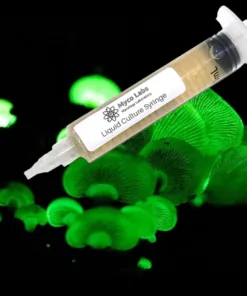
psilocybin mushroom spore syringe
Bioluminescence Panellus Stipticus Liquid Culture Syringe (10cc)
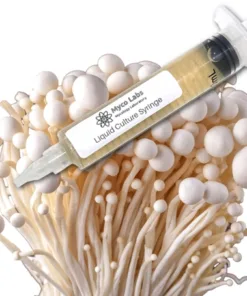
Mushroom Spore Syringe
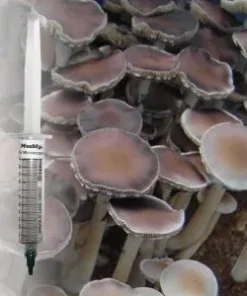
Mushroom Spore Syringe
psilocybin mushroom spore syringe
psilocybin mushroom spore syringe
psilocybin mushroom spore syringe
psilocybin mushroom spore syringe
psilocybin mushroom spore syringe
Reviews
There are no reviews yet.