Skip to content
  • Add anything here or just remove it...
Mushroom SyringeMushroom Syringe
  • Home
  • Shop
  • Cart / $0.00 0
    • No products in the cart.

      Return to shop

  • 0
    Cart

    No products in the cart.

    Return to shop

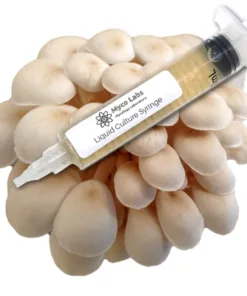
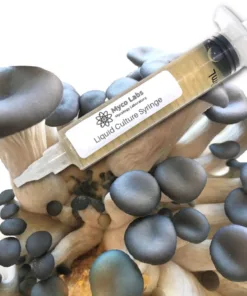
Blue Oyster Liquid Culture Syringe
Home / psilocybin mushroom spore syringe

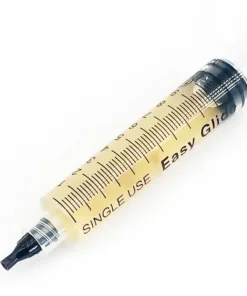
Blue Oyster Liquid Culture Syringe (10cc)

  • Lion's Mane Liquid Culture Syringe
  • Live Mushroom Culture on Agar Slant

$15.00

Category: psilocybin mushroom spore syringe Tags: 1 ml luer lock syringe, 10 ml syringe, Blue Oyster Liquid Culture Syringe, liquid culture syringe psilocybe, mushroom grow bags with injection port, mushroom liquid culture, mushroom spore syringes, oyster mushroom seeds, oyster mushrooms, yogurt culture starter
  • Lion's Mane Liquid Culture Syringe
  • Live Mushroom Culture on Agar Slant
  • Description
  • Reviews (0)

Shop Blue Oyster Liquid Culture Syringe Online 

Liquid culture (LC) syringes are popular among hobbyist and research mycologists because they allow for faster colonization and reduced contamination risk compared to spores. Instead of waiting for spores to germinate, a liquid culture syringe already contains mycelial fragments actively growing in a nutrient broth, so it can jump-start your project.

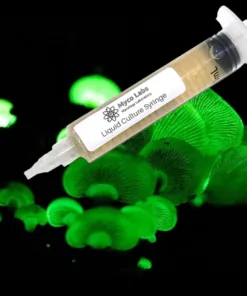
In the case of Panellus stipticus, the focus is often on cultivating the luminescent mycelium for novelty observation, research into bioluminescence, or unique display setups.


2. What Is Panellus stipticus and Why Is It Bioluminescent?

Panellus stipticus is a species of fungus commonly called the luminescent panellus or bitter oyster. It is notable because certain geographic strains naturally glow in the dark. The mycelium and sometimes the fruiting bodies emit a faint greenish light due to a biochemical process involving enzymes and luminescent compounds.

Bioluminescence in fungi occurs through the oxidation of a pigment (often described as luciferin) by an enzyme (luciferase or similar functional equivalents). The energy released in the reaction is emitted as visible light. In P. stipticus, research suggests the luminescent compounds (like panal, PS-A, and PS-B) and associated enzymes are responsible for this glow.

Only certain strains of Panellus stipticus—mainly from eastern North America—are reliably bioluminescent. Strains from other regions often lack this trait due to genetic differences.


3. How Does a Panellus stipticus Liquid Culture Syringe Work?

A liquid culture syringe works by delivering colonized mycelium into a new growth environment. The syringe typically contains:

  • Sterile water or nutrient media (e.g., a sugar/protein solution)

  • Mycelial fragments that are actively growing

  • Possibly adaptogenic additives to promote vigor

When you inject this into a sterile culture vessel or substrate (like agar plates or sterilized grains), the mycelium begins colonizing the new medium, expanding its network of hyphae. Because the mycelium is already alive and metabolically active, it colonizes more quickly than spores, which must germinate first.

For Panellus stipticus, the glowing trait is linked to its biological pathways. Under optimal growth conditions, the mycelium may show visible luminescence, especially when grown on solid media or suitable substrates.


4. What Are the Advantages of Using a Liquid Culture Syringe Over Spores?

Using a Panellus stipticus liquid culture syringe provides several key benefits:

  • Faster colonization: Live mycelium doesn’t need to germinate from spores. It can begin spreading on your chosen medium immediately after inoculation.

  • Lower contamination risk: Because mycelium outcompetes many contaminants, your chances of success are generally higher.

  • Predictable traits: The syringe contains a known strain, so you can be confident you’re working with a potentially luminescent fungus.

  • Multiple uses: You can inoculate multiple plates, jars, or batches of grain from a single syringe.

These advantages make liquid culture syringes especially appealing for hobbyists who want a more straightforward inoculation experience.


5. Is Panellus stipticus Bioluminescent in All Conditions?

Bioluminescence in Panellus stipticus is condition-dependent. The fungus does not glow strongly in every environment:

  • Most mycelia glow more brightly on solid substrates (e.g., agar or wood) than in submerged liquid culture. Some studies report low or barely detectable luminescence when mycelium is grown in liquid broth without agitation.

  • Luminescence can vary with culture medium composition, temperature, pH, and other growth factors.

  • The glow is typically much stronger at certain stages of growth, especially as the mycelium matures or approaches fruiting in natural conditions.

So while the syringe may contain bioluminescent mycelium, observing that glow often requires optimizing your culture conditions.


6. How Do You Use a Panellus stipticus Liquid Culture Syringe?

Using a liquid culture syringe typically involves the following general steps (this section is procedural and assumes a sterile environment and proper sterilization of tools):

Step 1: Prepare Your Work Area

Ensure you’re working in a clean, sanitized space. Use:

  • A laminar flow hood or glove box if available

  • 70% isopropyl alcohol to clean surfaces

  • Sterile tools and containers (e.g., Petri dishes, jars, flasks)

Step 2: Choose Your Substrate

Common choices include:

  • Agar plates: Great for transferring to new cultures or creating slants

  • Sterilized grain/sawdust: Useful for bulk colonization

  • Liquid media: For expanding the culture

Step 3: Inject the Syringe

Inject a measured volume of the liquid culture into your chosen substrate. For agar plates, a few drops in the center are usually sufficient.

Step 4: Incubate

Place your inoculated media in a warm, dark incubator or controlled environment. Ideal temperature ranges for many fungi are between 20–25°C (68–77°F), but specifics can vary. For Panellus stipticus, research suggests certain nutrient media and temperature settings affect growth and potential luminescence.

Step 5: Monitor Growth

Over days to weeks, you’ll see mycelium spreading. Once fully colonized, you can transfer to larger substrates or attempt fruiting (if desired).

Remember: Always maintain sterile practices to avoid contamination.


7. What Substrates Are Best for Growing Panellus stipticus Mycelium?

The substrate you choose can significantly influence how well Panellus stipticus mycelium grows and whether you see visible luminescence.

Common substrates include:

  • Agar plates: Perfect for initial growth and transfer

  • Grain (rye, wheat, millet): Useful for bulk expansion before transferring to wood or sawdust

  • Sterilized sawdust with hardwood pellets: Because P. stipticus naturally grows on wood, sawdust can mimic its ecological niche and promote vigorous growth

Hobbyists report success with hardwood mixtures because they simulate the fungus’s natural environment (dead oak, beech, or similar wood).

Optimizing pH, moisture, and nutrient content can further improve growth.


8. Why Might My Panellus stipticus Culture Not Glow?

If your Panellus stipticus culture doesn’t glow, several factors might be at play:

  • The strain isn’t bioluminescent: Not all P. stipticus strains glow; luminescent traits are geographically variable.

  • Conditions aren’t right: Luminescence may be weak or absent in submerged culture or if nutrient and pH conditions aren’t supportive.

  • Low oxygen: Bioluminescent reactions often rely on oxygen; anaerobic conditions can suppress light emission.

  • Young or unhealthy culture: The fungus may need to mature on solid substrate before visible glow is evident.

Understanding these variables can help troubleshoot and optimize for light production.


9. How Long Does It Take for Liquid Culture to Colonize?

Colonization times vary widely depending on strain, media, temperature, and sterility. Typical timelines might look like:

  • Agar plates: Colonization visible within 1–2 weeks

  • Grain or sawdust: Full colonization in 2–6 weeks, sometimes longer

  • Liquid media expansions: Visible growth within a few days, reaching dense cultures in 1–2 weeks (if conditions are favorable)

Because Panellus stipticus sometimes grows more slowly than more common culinary mushrooms, patience is key.


10. Can I Use a Liquid Culture Syringe to Fruit Panellus stipticus?

Yes—but with caveats. A liquid culture syringe helps establish a pure mycelial network, but fruiting bioluminescent mushrooms requires additional steps:

  • Transfer colonized grain/sawdust to a fruiting substrate (e.g., hardwood blocks or logs)

  • Provide appropriate humidity and air exchange

  • Adjust light and temperature cycles for fruiting

Fruiting Panellus stipticus can be more challenging than simply showing glowing mycelium, and it may not always be practical for beginners.


11. What Safety Considerations Are There With Panellus stipticus?

Panellus stipticus is considered non-poisonous but not recommended as edible due to its bitter taste and potential digestive discomfort. It’s generally safe to handle with normal cleanliness precautions.

Key safety tips:

  • Work with sterile techniques to prevent contamination

  • Avoid consuming any part of the fungus

  • Keep cultures away from pets and children

  • Dispose of contaminated substrates responsibly


12. How Can I Maximize Bioluminescence in My Culture?

Maximizing glow depends on several factors:

  • Use a bioluminescent strain: Confirm your culture is from a proven luminescent lineage.

  • Optimize nutrient media: Some studies show media composition impacts luminescence intensity.

  • Solid substrates: Glowing tends to be stronger on solid media than in submerged liquid culture.

  • Environment: Oxygen availability, pH, and temperature can influence the biochemical pathways that generate light.

Trial and error with conditions like moisture, temperature, and light exposure can help find what works best for you.


13. Are There Legal Restrictions on Growing Panellus stipticus?

In most jurisdictions, Panellus stipticus cultures are legally permitted, as it is not a controlled species. However, always check your local laws regarding fungal culture and inoculation, especially if you are in an area with strict biotechnology regulations.


14. What Are Typical Uses of Panellus stipticus Liquid Cultures?

People cultivate Panellus stipticus for various reasons:

  • Scientific research into bioluminescence mechanisms and genetics

  • Educational projects demonstrating light production in fungi

  • Artistic installations where glowing mycelium is used for visual effect

  • Hobby cultivation for novelty and exploration

Because this mushroom isn’t cultivated for food, its value is primarily experiential and investigative.


15. Can I Share My Liquid Culture With Others?

Yes, provided it’s done responsibly and legally. Sharing cultures is common in mycology communities, but always ensure:

  • You are not violating any laws

  • Cultures are free of contamination

  • Recipients understand safe and sterile handling

Sharing can help build community experiments and discoveries.


16. Where Can I Buy a Panellus stipticus Liquid Culture Syringe?

Liquid culture syringes for Panellus stipticus may be sold by specialty mycology suppliers or hobby culture sellers. Listings may appear on mycology trading forums or dedicated culture banks. Because availability fluctuates, be prepared to look at multiple sources.


Conclusion

A Bioluminescence Panellus stipticus Liquid Culture Syringe is a fascinating tool for anyone interested in the unique phenomenon of fungal bioluminescence. Whether you want to observe glowing mycelium, study the biochemical pathways that produce light, or build a creative mycology project, the syringe provides a starting point that’s easier and more reliable than working from spores. Success depends on using the right strain, maintaining sterile technique, and providing optimal growth conditions.

If you’re serious about exploring this remarkable species, embrace experimentation, document your conditions, and don’t hesitate to connect with the broader mycology community for tips and advanced techniques.


If you want, I can also generate visual diagrams, troubleshooting tables, or step-by-step inoculation checklists to supplement this guide.
write about Blue Oyster Liquid Culture Syringe and use frequently google questions on Blue Oyster Liquid Culture Syringe as subheadings in 5000 words

Blue Oyster Liquid Culture Syringe – The Complete 5000-Word Guide

Blue Oyster mushrooms are among the most popular gourmet mushrooms grown at home and commercially. Fast colonization, aggressive growth, cold tolerance, and beautiful blue-gray caps make them a favorite for beginners and advanced cultivators alike. When combined with liquid culture technology, growing them becomes faster, cleaner, and more predictable.

This comprehensive guide explores Blue Oyster Liquid Culture Syringe in detail using frequently searched Google-style questions as subheadings to maximize clarity and SEO value.


What Is a Blue Oyster Liquid Culture Syringe?

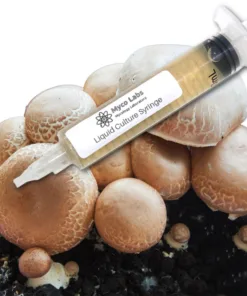
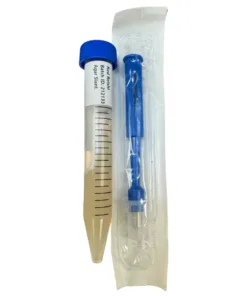
A Blue Oyster Liquid Culture Syringe is a sterile syringe filled with nutrient broth containing live mycelium of the Blue Oyster mushroom. Instead of spores, the syringe contains actively growing fungal tissue suspended in liquid.

Blue Oyster mushrooms are typically a cold-weather strain of Pleurotus ostreatus, often marketed as “Blue Oyster” due to the bluish tint of young caps before maturity.

A liquid culture syringe usually contains:

  • Sterile nutrient solution (often light malt extract or sugar-based broth)

  • Live Blue Oyster mycelium

  • Sterile syringe and needle for inoculation

Because the mycelium is already alive and growing, colonization begins immediately after inoculation.


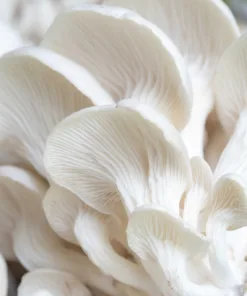
What Are Blue Oyster Mushrooms?

Blue Oyster mushrooms are a cold-tolerant strain of Pleurotus ostreatus, one of the most cultivated edible mushrooms worldwide.

Characteristics include:

  • Blue-gray caps when young

  • Broad fan-shaped growth

  • White to light gray mature caps

  • Dense clusters

  • Mild, savory flavor

  • Velvety texture when cooked

They naturally grow on hardwood trees such as beech, oak, and poplar. Blue Oyster mushrooms prefer cooler fruiting temperatures compared to other oyster varieties, making them excellent for fall and winter growing.


How Does a Blue Oyster Liquid Culture Syringe Work?

A liquid culture syringe works by introducing live mycelium into a sterile growing medium. When injected into:

  • Sterilized grain

  • Agar plates

  • Liquid expansion jars

  • Supplemented sawdust

The mycelium spreads rapidly, colonizing the material.

Unlike spores, which must germinate first, liquid culture mycelium is metabolically active. This results in:

  • Faster colonization

  • Reduced contamination risk

  • More consistent performance

The mycelial network expands through the substrate, eventually becoming ready for fruiting.


What Are the Advantages of Using Liquid Culture Instead of Spores?

Many growers search: “Is liquid culture better than spores?”

Here are the key benefits:

1. Faster Colonization

Mycelium is already alive and growing.

2. Higher Success Rate

Less time means fewer contamination opportunities.

3. Genetic Consistency

Liquid culture comes from a selected culture, not random spore genetics.

4. Cost Efficiency

One syringe can inoculate multiple jars or bags.

5. Ideal for Beginners

More forgiving than spore germination.


How Do You Use a Blue Oyster Liquid Culture Syringe?

This is one of the most frequently searched questions.

Step 1: Prepare a Clean Workspace

  • Use 70% isopropyl alcohol

  • Flame sterilize the needle

  • Work in a still air box or clean room

Step 2: Shake the Syringe

Break up mycelial clumps by shaking.

Step 3: Inject the Substrate

Insert needle into:

  • Grain jar injection port

  • Self-healing bag port

  • Agar plate

Use 1–3 mL per quart jar typically.

Step 4: Incubate

Store at 65–75°F (18–24°C) for Blue Oysters.

Step 5: Monitor Colonization

Full colonization usually occurs within 7–14 days on grain.


What Is the Best Substrate for Blue Oyster Liquid Culture?

Blue Oysters are extremely adaptable.

Best substrates include:

Hardwood Sawdust

  • Oak

  • Beech

  • Alder

  • Poplar

Straw

  • Pasteurized wheat or oat straw

Coffee Grounds

  • Must be clean and not moldy

Cardboard (Beginner Method)

Commercial growers often use supplemented hardwood sawdust blocks for best yields.


How Long Does Blue Oyster Liquid Culture Take to Colonize?

Colonization time depends on substrate and temperature.

Substrate Colonization Time
Agar plate 5–10 days
Grain jar 7–14 days
Sawdust block 10–21 days

Blue Oyster is considered aggressive and fast compared to many gourmet mushrooms.


What Temperature Is Best for Blue Oyster Liquid Culture?

For mycelial growth:

  • 65–75°F (18–24°C)

For fruiting:

  • 45–65°F (7–18°C)

Blue Oysters prefer cooler fruiting conditions than other oyster varieties.


How Do You Store a Blue Oyster Liquid Culture Syringe?

Storage is critical for longevity.

Refrigeration

  • 35–40°F (2–4°C)

  • Store upright

  • Avoid freezing

Shelf life:

  • 3–6 months (sometimes longer)

Always allow syringe to reach room temperature before use.


How Do You Know If Your Liquid Culture Is Contaminated?

Common signs of contamination include:

  • Cloudy liquid (should be mostly clear with mycelial strands)

  • Strange colors (green, black, pink)

  • Sour smell

  • Rapid bacterial bloom

Healthy Blue Oyster LC looks like:

  • Floating white strands

  • Slightly cloudy from mycelium, not murky

When in doubt, test on agar before large inoculation.


Can Beginners Grow Blue Oyster Using Liquid Culture?

Yes — Blue Oysters are one of the best beginner mushrooms.

Reasons:

  • Fast colonization

  • Aggressive growth

  • Tolerant of minor mistakes

  • Fruiting forgiving compared to shiitake or lion’s mane

Many first-time growers succeed with oyster mushrooms.


How Much Liquid Culture Should You Use Per Jar?

General guideline:

  • 1–3 mL per quart jar

  • 3–5 mL for 5 lb grow bag

Using too much can increase moisture and contamination risk.


Can You Make Your Own Blue Oyster Liquid Culture?

Yes.

Basic method:

  • Sterilize light malt extract solution (4% solution)

  • Inoculate with clean Blue Oyster agar wedge

  • Incubate 7–14 days

  • Test on agar before scaling

Sterile technique is essential.


What Yield Can You Expect From Blue Oyster Mushrooms?

Yield depends on substrate and conditions.

Average biological efficiency:

  • 75–150%

From a 5 lb fruiting block:

  • 1–2 lbs fresh mushrooms typical

Multiple flushes possible.


Why Is My Blue Oyster Mycelium Not Growing?

Common causes:

  • Contamination

  • Too cold (below 55°F)

  • Overheated substrate

  • Old liquid culture

  • Incorrect moisture content

Blue Oyster mycelium is usually vigorous, so stalled growth often indicates contamination.


Do Blue Oyster Mushrooms Need Light to Grow?

Mycelium:

  • No light required

Fruiting:

  • Indirect light helps trigger formation

  • Not intense light

They do not require darkness to grow.


What Humidity Is Needed for Blue Oyster Fruiting?

Ideal humidity:

  • 85–95%

Low humidity causes:

  • Cracked caps

  • Small clusters

  • Tough texture

Good airflow is equally important to prevent long stems and small caps.


How Many Times Can You Fruit a Blue Oyster Block?

Typically:

  • 2–3 flushes

Time between flushes:

  • 7–14 days

Yield decreases with each flush.


Is Blue Oyster Mushroom Edible?

Yes. Blue Oyster mushrooms are edible and widely cultivated for food.

They are:

  • Rich in protein

  • High in fiber

  • Contain beta-glucans

  • Low in calories

Cook thoroughly before eating.


What Does Blue Oyster Mushroom Taste Like?

Flavor profile:

  • Mild

  • Slightly sweet

  • Umami-rich

  • Tender texture when sautéed

Popular in:

  • Stir-fries

  • Soups

  • Pasta

  • Vegan dishes as meat substitute


How Is Blue Oyster Different From Other Oyster Mushrooms?

Blue Oyster (cold strain of Pleurotus ostreatus) differs by:

  • Cooler fruiting preference

  • Bluish young caps

  • Dense clusters

  • More compact shape

Compared to:

  • Golden Oyster (warmer climate)

  • Pink Oyster (tropical)

  • Pearl Oyster (moderate climate)


Can You Grow Blue Oyster Outdoors?

Yes.

Methods:

  • Inoculated logs

  • Outdoor straw beds

  • Wood chip piles

Best seasons:

  • Fall

  • Early spring

Cool temperatures encourage fruiting.


How Long Does a Liquid Culture Syringe Last?

If refrigerated properly:

  • 3–6 months

  • Sometimes up to 1 year

Always test on agar if older than 6 months.


What Are Common Mistakes When Using Liquid Culture?

  1. Not flame sterilizing needle

  2. Using too much liquid

  3. Injecting into non-sterile substrate

  4. Not shaking syringe

  5. Poor storage

Avoiding these increases success dramatically.


Can You Expand Blue Oyster Liquid Culture?

Yes.

You can:

  • Inject into sterile liquid media jar

  • Grow larger batch

  • Draw into sterile syringes

Always test for contamination first.


Why Are My Blue Oyster Mushrooms Long and Skinny?

Cause:

  • Poor air exchange

  • High CO₂ levels

Solution:

  • Increase fresh air

  • Improve ventilation

Oysters are highly sensitive to CO₂ buildup.


What Equipment Do You Need to Use a Liquid Culture Syringe?

Basic setup:

  • Alcohol wipes

  • Lighter

  • Sterile grain jars or bags

  • Gloves

  • Clean workspace

Advanced growers may use:

  • Pressure cooker

  • Still air box

  • Laminar flow hood


Is Blue Oyster Mushroom Profitable to Grow?

Yes, commercially Blue Oyster mushrooms are in high demand.

Reasons:

  • Fast growth cycle

  • High yield

  • Popular with chefs

  • Attractive appearance

Many small farms start with oyster varieties due to low barrier to entry.

Reviews

There are no reviews yet.

Be the first to review “Blue Oyster Liquid Culture Syringe (10cc)” Cancel reply

Related products

Lion's Mane Liquid Culture SyringeLion's Mane Liquid Culture Syringe
Quick View

psilocybin mushroom spore syringe

Lion’s Mane Liquid Culture Syringe (10cc)

$15.00
King Trumpet Oyster Liquid Culture SyringeKing Trumpet Oyster Liquid Culture Syringe
Quick View

psilocybin mushroom spore syringe

King Trumpet Oyster Liquid Culture Syringe (10cc)

$13.00
Maitake (Hen of the Woods) Liquid Culture SyringeMaitake (Hen of the Woods) Liquid Culture Syringe
Quick View

psilocybin mushroom spore syringe

Maitake (Hen of the Woods) Liquid Culture Syringe (10cc)

$15.00
ABM Mushroom Liquid Culture SyringeYellow Reishi Liquid Culture Syringe
Quick View

psilocybin mushroom spore syringe

ABM Mushroom Liquid Culture Syringe (10cc)

$12.00
Stropharia Spore Syringe
Quick View

Mushroom Spore Syringe

Stropharia Spore Syringe

$15.00
Lion's Mane Liquid Culture Syringe - Isolated Pink VarietyLion's Mane Liquid Culture Syringe - Isolated Pink Variety
Quick View

psilocybin mushroom spore syringe

Lion’s Mane Liquid Culture Syringe – Isolated Pink Variety (10cc)

$12.00
Cordyceps Militaris Mushroom Liquid Culture Syringe HIGHMILE22A Strain
Quick View

psilocybin mushroom spore syringe

Cordyceps Militaris Mushroom Liquid Culture Syringe HIGHMILE22A Strain (10cc)

$15.00
Thai Pink Buffalo Spore Syringe
Quick View

psilocybin mushroom spore syringe

Thai Pink Buffalo Spore Syringe

$17.00
Copyright 2026 © Flatsome Theme
  • Home
  • Shop
  • Login
  • Newsletter

Login

Lost your password?