
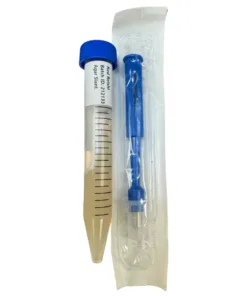


Buy Live Mushroom Culture on Agar Slant Online
Live Mushroom Culture on Agar Slant is one of the most reliable and professional ways to store, preserve, and distribute mushroom genetics. Whether you are a hobby grower, researcher, mycology enthusiast, or commercial cultivator, agar slants offer long-term stability, contamination control, and genetic consistency.
This comprehensive guide answers the most frequently Googled questions about live mushroom cultures on agar slants — from what they are, how they work, how to store them, and how to transfer them, to troubleshooting, longevity, and best practices.
What Is a Live Mushroom Culture on Agar Slant?
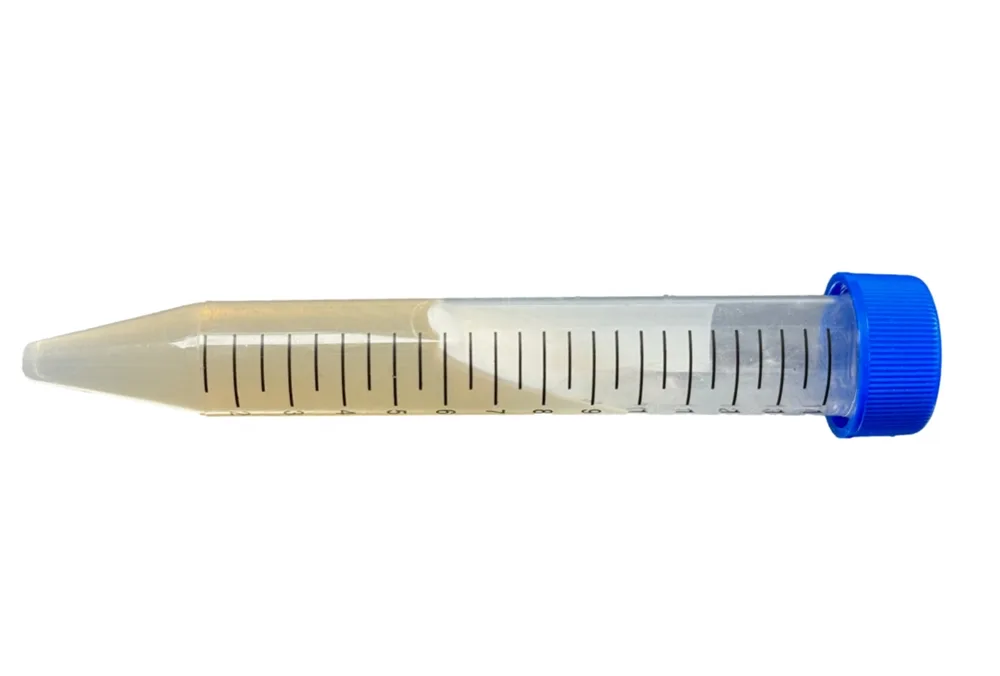
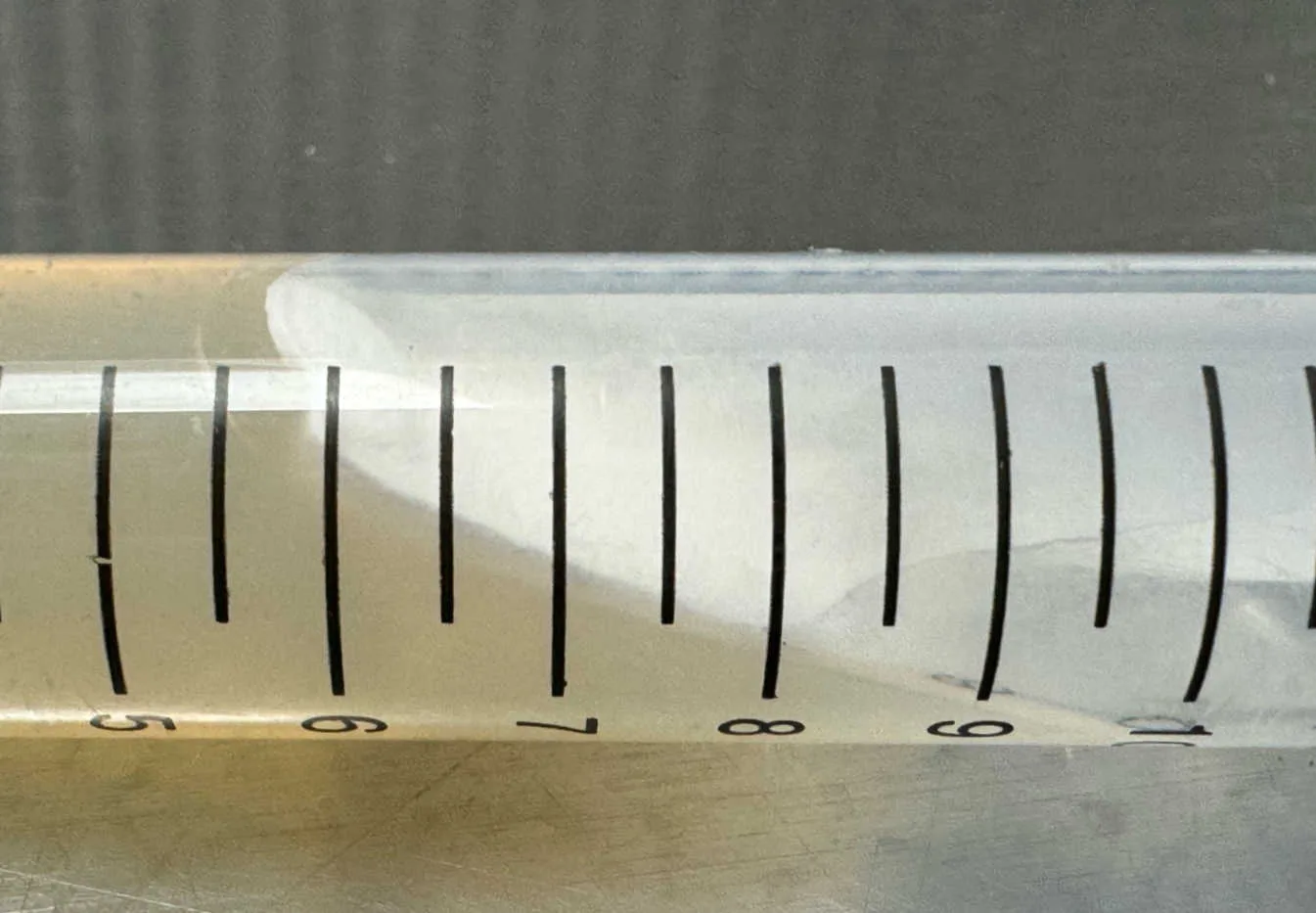
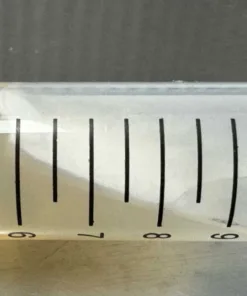
A live mushroom culture on an agar slant is a sterile test tube containing solidified nutrient agar that has been poured and cooled at an angle, creating a slanted surface. A selected strain of mushroom mycelium is then inoculated onto that agar surface and allowed to grow.
The slanted design increases surface area while keeping the culture compact and protected.
The culture consists of:
-
A sterile test tube or vial
-
Nutrient agar medium
-
Actively growing mushroom mycelium
-
Breathable or sealed cap
Unlike spore syringes, agar slants contain established, living mycelium — meaning you are preserving an exact clone or selected strain.
What Is Agar in Mushroom Cultivation?
Agar is a gelatinous substance derived from red algae. It is commonly used in microbiology and mycology as a solid growth medium.
In mushroom cultivation, agar allows growers to:
-
Isolate clean genetics
-
Observe growth patterns
-
Identify contamination
-
Preserve specific strains
Agar is often mixed with nutrients such as:
-
Malt extract
-
Potato dextrose
-
Yeast extract
-
Grain-based formulas
This nutrient base feeds the mycelium during storage.
Why Use an Agar Slant Instead of a Petri Dish?
This is one of the most common beginner questions.
Petri dishes are ideal for short-term observation and isolation, but agar slants are better for long-term storage.
Advantages of agar slants:
-
Reduced exposure to air
-
Less risk of drying out
-
Compact and easy to store
-
Longer shelf life
-
Easier transport
-
Reduced contamination risk
Slants are the preferred storage method in professional mycology labs.
How Long Does a Live Mushroom Culture on Agar Slant Last?
When stored properly in refrigeration:
-
Most cultures remain viable 6–12 months
-
Many strains last 1–2 years
-
Some slow-growing species last even longer
Longevity depends on:
-
Storage temperature
-
Agar nutrient content
-
Species growth rate
-
Sterile preparation
For maximum viability, refrigeration between 35–45°F (2–7°C) is recommended.
How Do You Store an Agar Slant Culture?
Proper storage is critical.
Best practices:
-
Store in refrigerator (not freezer).
-
Keep upright if possible.
-
Avoid temperature fluctuations.
-
Minimize opening.
-
Keep label intact with strain name and date.
Freezing without proper cryopreservation can kill the culture.
What Types of Mushrooms Are Commonly Stored on Agar Slants?
Many gourmet, medicinal, and research species are stored this way, including:
-
Hericium erinaceus
-
Pleurotus ostreatus
-
Ganoderma lucidum
-
Lentinula edodes
Agar slants are ideal for preserving stable commercial genetics.
How Do You Use a Live Mushroom Culture on Agar Slant?
To expand a slant into production:
-
Sterilize tools (scalpel, inoculation loop).
-
Flame sterilize blade until red hot.
-
Cool blade briefly.
-
Open slant in clean environment.
-
Transfer a small piece of mycelium to:
-
Agar plate
-
Grain jar
-
Liquid culture
-
Always practice sterile technique.
Can You Transfer Directly from Agar Slant to Grain?
Yes.
Many growers skip the intermediate agar plate and transfer directly to sterile grain.
However, transferring to agar first allows you to:
-
Confirm cleanliness
-
Expand culture
-
Observe growth before scaling
For critical genetics, agar-to-agar first is safer.
What Is the Best Agar Recipe for Slants?
Common agar formulas include:
Malt Extract Agar (MEA)
-
20g malt extract
-
15g agar
-
1 liter water
Potato Dextrose Agar (PDA)
-
200g potato infusion
-
20g dextrose
-
15g agar
MEA is most commonly used in mushroom cultivation.
Why Is My Agar Slant Drying Out?
Drying can occur due to:
-
Loose caps
-
Low humidity storage
-
Old age
-
Poor sealing
To prevent drying:
-
Use parafilm around caps
-
Store in sealed container
-
Avoid frequent temperature changes
If agar shrinks significantly, transfer culture before it dies.
How Can I Tell If My Agar Slant Is Contaminated?
Healthy culture:
-
White, fluffy, ropey, or tomentose growth
-
No unusual colors
-
No foul odor
Signs of contamination:
-
Green (often mold)
-
Black or grey patches
-
Milky bacterial slime
-
Sour smell
If contamination appears, discard the slant.
What Is the Difference Between Liquid Culture and Agar Slant?
Liquid Culture:
-
Faster expansion
-
Harder to visually inspect contamination
-
Shorter storage life
Agar Slant:
-
Easier contamination detection
-
Longer storage
-
More stable genetics
-
Slower expansion
Professional growers often maintain master cultures on slants and create liquid culture from them as needed.
Why Do Professional Labs Use Agar Slants?
Mycology labs use slants because they:
-
Preserve original genetics
-
Reduce mutation risk
-
Minimize contamination exposure
-
Provide compact storage
-
Allow strain cataloging
Slants act as a “genetic library” for mushroom producers.
How Often Should You Refresh an Agar Slant?
To maintain vigor:
-
Transfer to fresh agar every 6–12 months
-
Avoid letting mycelium overgrow too long
-
Label transfer dates
Repeated transfers can lead to genetic drift, so limit unnecessary subculturing.
What Is Genetic Drift in Mushroom Cultures?
Genetic drift occurs when repeated transfers cause subtle mutations over time.
This may result in:
-
Slower colonization
-
Lower yields
-
Morphological changes
Maintaining master cultures and minimizing transfers helps preserve original traits.
Can Agar Slants Be Shipped?
Yes.
They are commonly shipped for research and cultivation.
Advantages for shipping:
-
Compact
-
Spill-resistant
-
Lower contamination risk
-
Stable during transit
Temperature control during shipping improves survival.
Do Agar Slants Need Light?
No.
During storage, cultures do not require light.
Store in dark or low-light refrigeration to maintain dormancy.
Can You Make Agar Slants at Home?
Yes, with proper sterile equipment:
Required tools:
-
Test tubes
-
Pressure cooker
-
Agar powder
-
Nutrient formula
-
Alcohol burner
-
Sterile environment
Pour agar into tubes and cool at angle to form slant.
Why Is My Mycelium Growing Slowly on the Slant?
Possible reasons:
-
Cold storage temperature
-
Low nutrient formula
-
Old culture
-
Species naturally slow-growing
Allow slant to warm to room temperature before transfer to encourage active growth.
What Temperature Is Ideal for Agar Slant Growth Before Storage?
Typical incubation:
-
65–75°F (18–24°C)
Allow mycelium to partially colonize before refrigeration.
Do not store immediately after inoculation without visible growth.
Can Agar Slants Be Used for Commercial Production?
Yes.
Commercial farms often:
-
Maintain master culture on slant.
-
Transfer to agar plate.
-
Expand to grain master jar.
-
Produce spawn in bulk.
This ensures consistent harvest quality.
What Are the Advantages of Long-Term Agar Storage?
-
Stable strain preservation
-
Lower contamination risk
-
Reduced need for constant subculturing
-
Organized strain management
-
Reliable production cycles
Agar slants are the backbone of strain banking.
How Do You Label an Agar Slant Properly?
Essential information:
-
Species name
-
Strain code
-
Date of inoculation
-
Transfer generation number
Clear labeling prevents confusion in multi-strain operations.
Can Agar Slants Be Frozen?
Freezing without cryoprotectants often damages mycelium.
Professional labs use cryopreservation methods with glycerol at ultra-low temperatures.
Standard home refrigeration is safest for most growers.
What Happens If the Agar Turns Yellow?
Yellowing may indicate:
-
Age
-
Metabolic waste buildup
-
Nutrient depletion
Transfer culture to fresh agar if yellowing appears.
Is an Agar Slant Good for Beginners?
It may seem advanced, but:
-
It teaches sterile technique
-
It improves understanding of contamination
-
It provides long-term reliability
For serious growers, learning agar is a major step forward.
Be the first to review “Live Mushroom Culture on Agar Slant”
Related products


psilocybin mushroom spore syringe
psilocybin mushroom spore syringe
psilocybin mushroom spore syringe
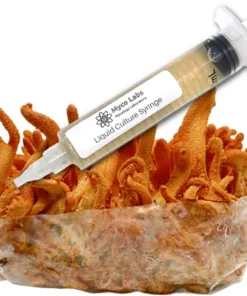
Cordyceps Militaris Mushroom Liquid Culture Syringe HIGHMILE22A Strain (10cc)
psilocybin mushroom spore syringe
psilocybin mushroom spore syringe
psilocybin mushroom spore syringe

psilocybin mushroom spore syringe
Mushroom Spore Syringe
Reviews
There are no reviews yet.